Master of Landscape Architecture and Engineering
Tulane's Master of Landscape Architecture and Engineering is the only program in the world that combines a professional Master of Landscape Architecture (MLAN) with a Master of Science in River-Coastal Science and Engineering (MS RCSE) into a single dual degree. The Gulf Coast region faces some of the most severe social and economic challenges from climate change, and it needs interdisciplinary professionals equipped to address them. This New Orleans-based, 3.5-year program trains students to design landscapes that hold up against real climate and water pressures, grounded in the same scientific and technical training engineers use to solve them
Key Facts
- Program Entry: Summer cohort start (currently accepting for Summer 2027); the graduate application opens September 1
- Total Credit Hours: 110 (minimum 55 credit hours, or 50%, must be completed in residence at Tulane)
- Cost Per Credit Hour: [PLACEHOLDER]
- Class Structure: Full-time, in-person, co-taught by professional engineers and landscape architects
- Time to Completion: 3.5 years (a 7-semester curriculum: one intro summer term plus six academic semesters)
- Advanced Standing: Applicants with prior landscape architecture, engineering, or related experience can request a portfolio assessment to potentially shorten their time to degree (see below)
- Career Opportunities: Landscape architecture, landscape urbanism, civil and ecological engineering, and urban and environmental planning, in both private and public sectors
Career Ready
Prepare to lead design-research addressing extreme weather and changing climates.
Gulf Coast Focus
Engage the Gulf Coast as a global model for innovative design and coastal resilience.
Unique Expertise
Graduates cultivate expertise across design, science, and engineering.
Program Highlights
MLAN/MS RCSE Curriculum
The Master of Landscape Architecture and Master of Science in River–Coastal Science and Engineering (MLAN/MS RCSE) dual degree is a 110-credit-hour, seven-semester curriculum built around design studios, a technical science core, and a thesis. It unfolds in three phases: an introductory summer, a "green year" focused on living systems, and a "blue year" focused on water systems (rivers, coasts, estuaries, wetlands), followed by a third year for individual thesis research.
Core coursework includes:
- History of Landscape Architecture I, II, & III
- Design Media I & II (visualization, GIS mapping, and geospatial analysis)
- Landscape Building Technologies I & II
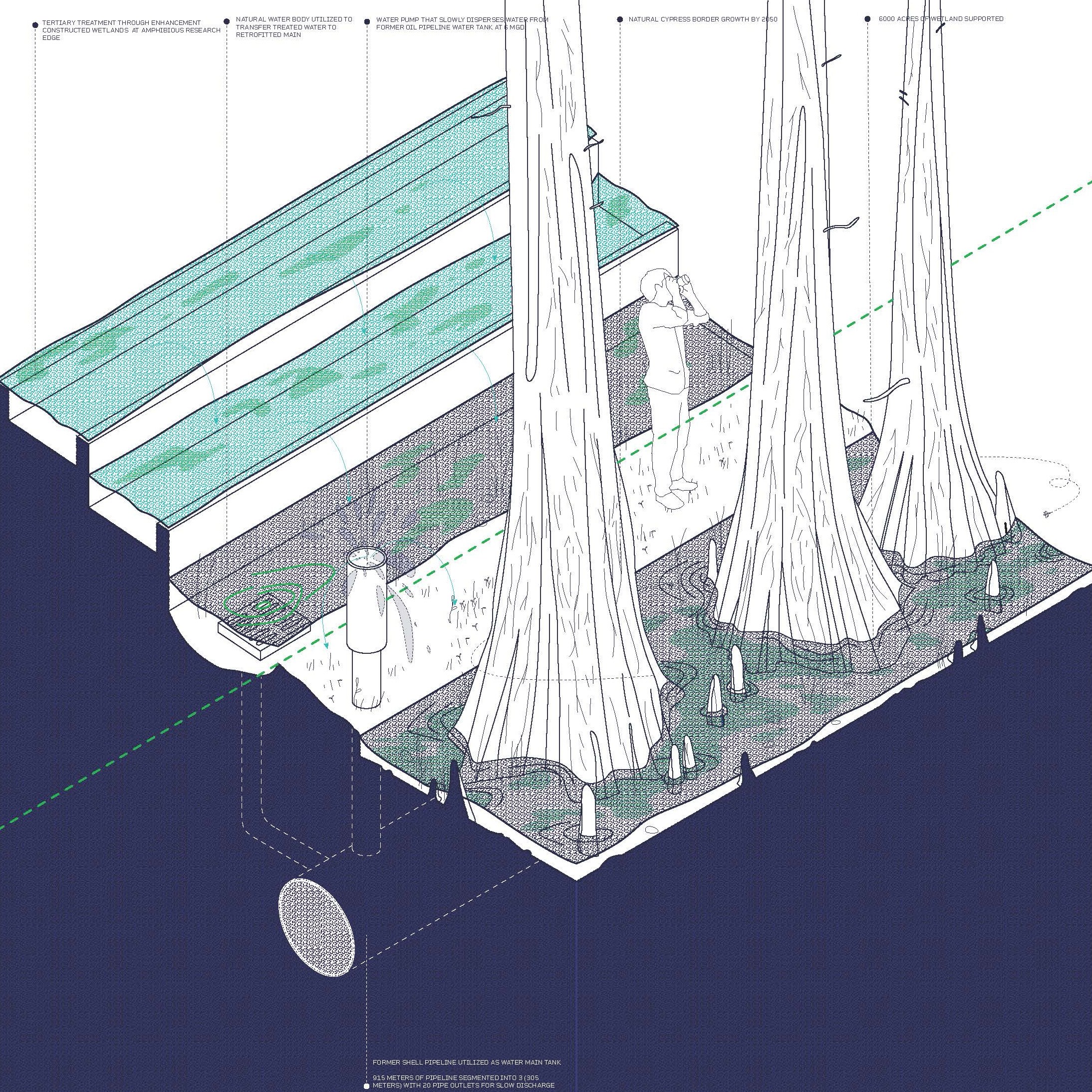
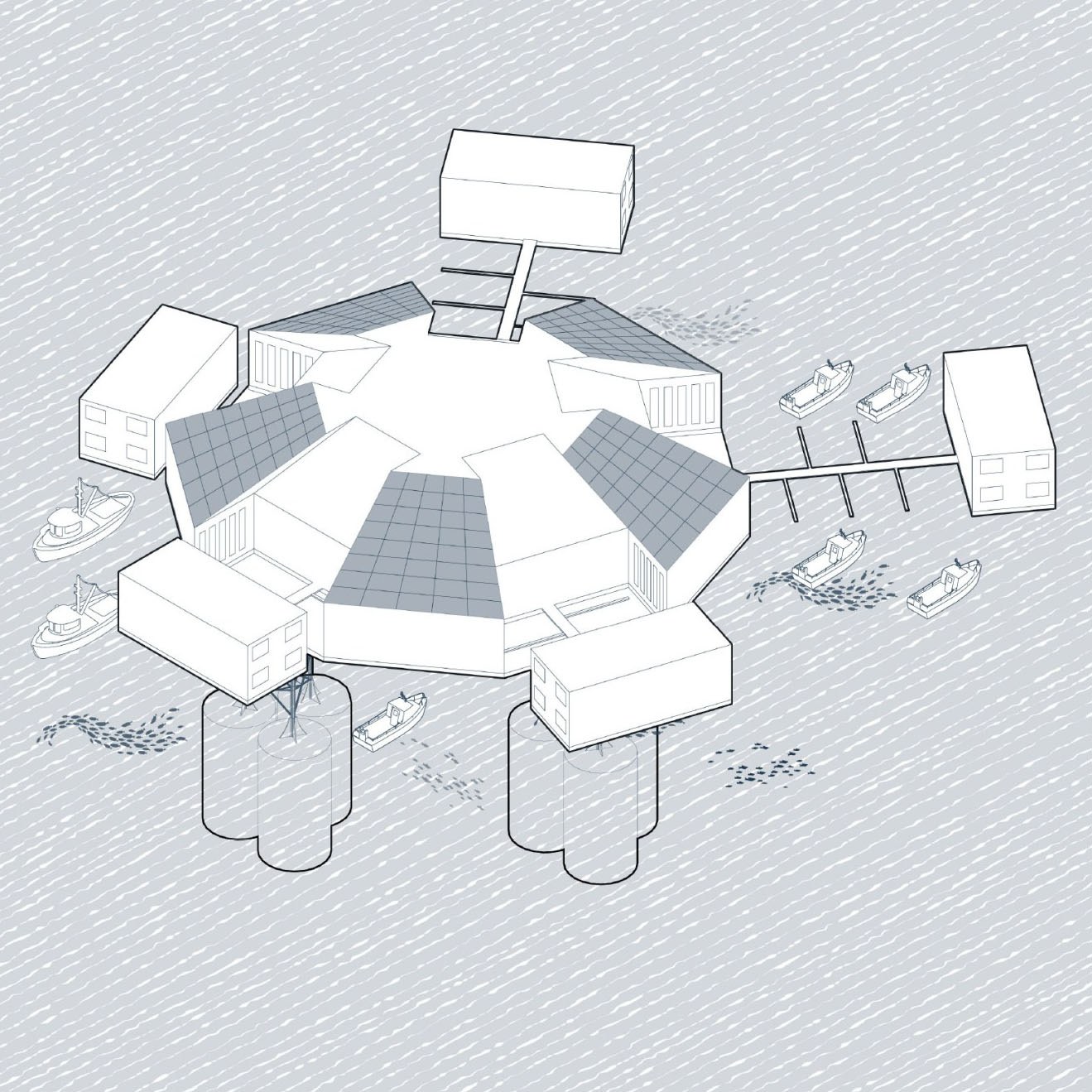
- Design studios spanning streetscapes, forest urbanism, and coastal and riverine landscape-engineering challenges
- Introduction to River-Coastal Science and Engineering, and the Role of Soils in Riparian Landscapes
- Professional Practices and Concerns in Landscape Architecture
- Thesis Research Methods and Thesis Studio
Students also complete one MLAN elective and three RCSE electives, selected from options across math/physics-intensive and non-intensive tracks, depending on background.
View individual course descriptions here.
Learning Outcomes
The program builds skills at the intersection of design and engineering, not one discipline layered onto the other. By graduation, students develop:
- Design and orthographic representation skills for landscapes under real environmental pressure
- GIS mapping and geospatial analysis for reading terrain, hydrology, and territory
- Model-making and visualization across both physical and digital media
- Environmental data analysis and modeling to evaluate a site's ecological and hydrological behavior
- The technical grounding to collaborate directly with engineers, scientists, and other built-environment specialists on the same project
Program Format
The MLAN/MS RCSE is a full-time, in-person, 3.5-year program based in New Orleans. Design studios are co-taught by professional engineers and landscape architects, so studio work functions as the shared "lab" where design and technical coursework are tested against the same site problems. Applicants with relevant prior experience can request an Advanced Standing Portfolio Assessment to shorten their required coursework. See advanced standing information below.
How the Studios Work
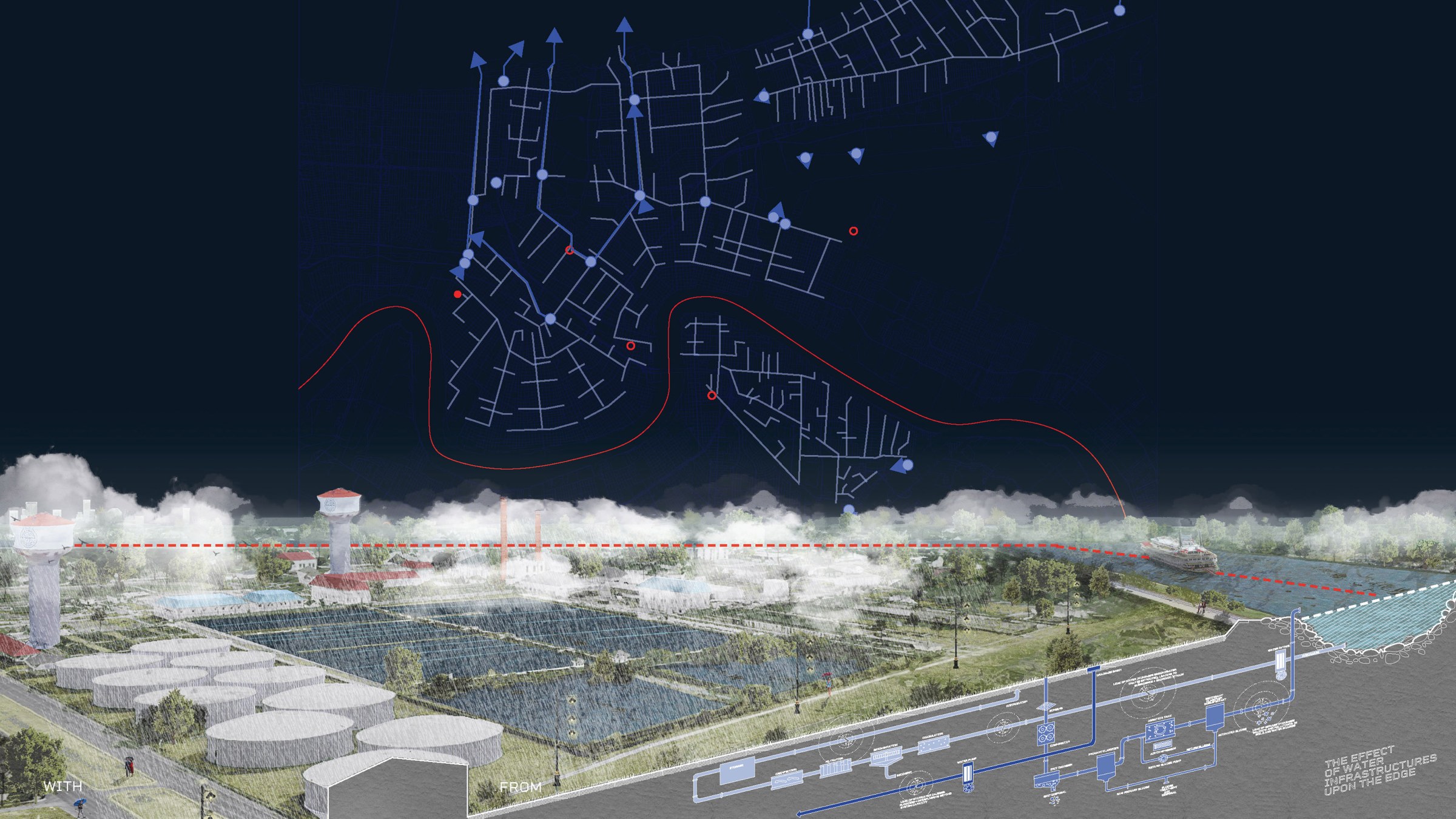
Design studios serve as the program's labs, where landscape architecture, engineering, and science converge to solve real, site-specific problems that involve both quantitative and qualitative variables. Co-taught by professional engineers and landscape architects, these studios prepare graduates to address urban- and territorial-scale climate challenges and collaborate directly with scientists, engineers, and other stakeholders across the built environment.
Advanced Standing
We recognize that each student's path to a dual degree is unique. We offer an Advanced Standing Portfolio Assessment for applicants with previous education or experience in landscape architecture. This assessment allows students to potentially accelerate their progress toward the dual Master of Landscape Architecture and Master of Science In River-Coastal Science & Engineering degree.
Applicants with pre-professional degrees, prior learning experiences, and demonstrable landscape architecture skills can request an advanced standing evaluation during the application process. Qualified previous experiences may satisfy specific degree requirements. A faculty admissions committee will review each applicant's portfolio, academic records, and previous experience to determine if they meet our degree requirements, granting advanced standing for relevant courses.
Career Outcomes
Graduates of this STEM-designated program are prepared for careers in landscape architecture, landscape urbanism, civil and ecological engineering, and urban and environmental planning, in both the private and public sectors. The program also offers internship opportunities through the Water Institute of the Gulf, engineering firms, and the U.S. Army Corps of Engineers.
National Career Outlook (U.S. Bureau of Labor Statistics)
Figures below come from the U.S. Bureau of Labor Statistics for occupations related to MLAN/MS RCSE career paths. Actual pay and availability will depend on where you work, your experience, and your employer.
| Related Occupation | Median Annual Pay | Projected Job Growth | Typical Entry Education |
| Landscape Architects | $79,870 (2025) | +4% (2025–35) | Bachelor's or master's degree |
| Civil Engineers | $100,840 (2025) | +6% (2025–35) | Bachelor's degree |
| Urban and Regional Planners | $89,320 (2025) | +4% (2025–35) | Master's degree |
| All U.S. occupations (for comparison) | $50,980 (2025) | +3% (2025–35) | N/A |
Sources:
- Landscape Architects — U.S. Bureau of Labor Statistics, Occupational Outlook Handbook
- Civil Engineers — U.S. Bureau of Labor Statistics, Occupational Outlook Handbook
- Urban and Regional Planners — U.S. Bureau of Labor Statistics, Occupational Outlook Handbook
Why the Tulane School of Architecture and Built Environment
Tulane's Master of Landscape Architecture and Engineering exists because New Orleans is ground zero for the problems it trains students to solve: a major river system, a retreating coastline, and a dense urban fabric all colliding in one city. Our students don't study these pressures from a distance. They design against them, in the place living through them right now, which is why we call the region a global model for alternative ways of living in a changing climate.
We built this as a genuine joint program between the Tulane School of Architecture and Built Environment and the School of Science and Engineering. Design studios are co-taught by landscape architecture and engineering faculty together, so students train in both fields side by side from day one.
MLAN/MS RCSE Admissions & Deadlines
The MLAN/MS RCSE admits through Tulane's standard graduate application process, with an Advanced Standing Portfolio Assessment available to applicants with relevant prior experience.
| Milestone | Date |
| Graduate Application Opens | September 1 |
| Application Deadline (all applicants) | January 15 |
| Enrollment Decision Deadline | April 15 |
For the full list of required materials, see the Landscape Architecture and Engineering Guide to Apply or visit Graduate Admissions.
Tuition & Financial Aid
Over 92% of Tulane's graduate students receive some form of financial support, and merit scholarships for this program range from $30,000 to $50,000.
Ways to apply for aid:
- Tuition & Financial Aid: full costs, payment plans, and endowed scholarships
- FAFSA: apply for federal aid using Tulane's school code, 002029
- Request Info: talk to an advisor about your specific situation
Frequently Asked Questions
What is the Tulane Master of Landscape Architecture and Engineering?
It is a dual degree pairing a professional Master of Landscape Architecture (MLAN) with a Master of Science in River-Coastal Science and Engineering (MS RCSE). Tulane’s program is the only one in the world that combines landscape architecture with river-coastal engineering in a single degree. Students train in design studios co-taught by landscape architects and engineers, using the Gulf Coast as a real-world site for climate-adaptation design.
How is this different from a standalone Master of Landscape Architecture?
This dual degree pairs a full Master of Landscape Architecture with a Master of Science in River-Coastal Science and Engineering, giving you two complete degrees rather than one. Design studios are co-taught by landscape architecture faculty and engineering faculty together, so the technical and design training happens side by side, not as separate tracks you piece together on your own. Graduates leave with the scientific grounding to work directly alongside engineers and scientists on the same project, from the same design table, rather than handing off technical questions to someone else.
How long does the MLAN/MS RCSE take to complete?
The program is a 3.5-year, seven-semester curriculum: an introductory summer term, followed by six academic semesters and a thesis year. Applicants with relevant prior experience in landscape architecture, engineering, or a related field can request an Advanced Standing Portfolio Assessment, which may shorten the required coursework and total time to degree.
Do I need a background in landscape architecture or engineering to apply?
No. The program is designed for students from a range of academic backgrounds, and an undergraduate degree from an accredited institution is the base requirement. Applicants with prior landscape architecture, engineering, or related experience can request an Advanced Standing evaluation, but it isn't required to apply.
What can you do with a Master of Landscape Architecture and Engineering degree?
Graduates of this STEM-designated program go on to careers in landscape architecture, landscape urbanism, civil and ecological engineering, and urban and environmental planning, across both private firms and public agencies. The program also connects students to internship opportunities through the Water Institute of the Gulf, engineering firms, and the U.S. Army Corps of Engineers.
More Information
If you would like to receive more information about our dual degree in Landscape Architecture and Engineering, please fill out this inquiry form.
RESOURCES
DEGREE INFORMATION
MORE
News
Student Work