2026 Travel Fellowship Awardees Announced
March 21, 2026
BY Emily capdeville
Tulane School of Architecture and Built Environment awarded over $42,000 in funding to support thirteen students undertaking research projects abroad during the summer of 2026. The ten funded projects represent the the largest group of initial proposals and projects funded in recent history. Students will embark upon their research trips at the end of this spring semester and will return to campus in the fall prepared to share their findings with their classmates and faculty through a series of presentations, which always enrich the experience of community members throughout the school. This cohort will travel to a wide variety of locations throughout Europe, Asia, Africa, and South America.
The full list of fellowship awardees is listed at the bottom. Some of the selected proposals are highlighted here.
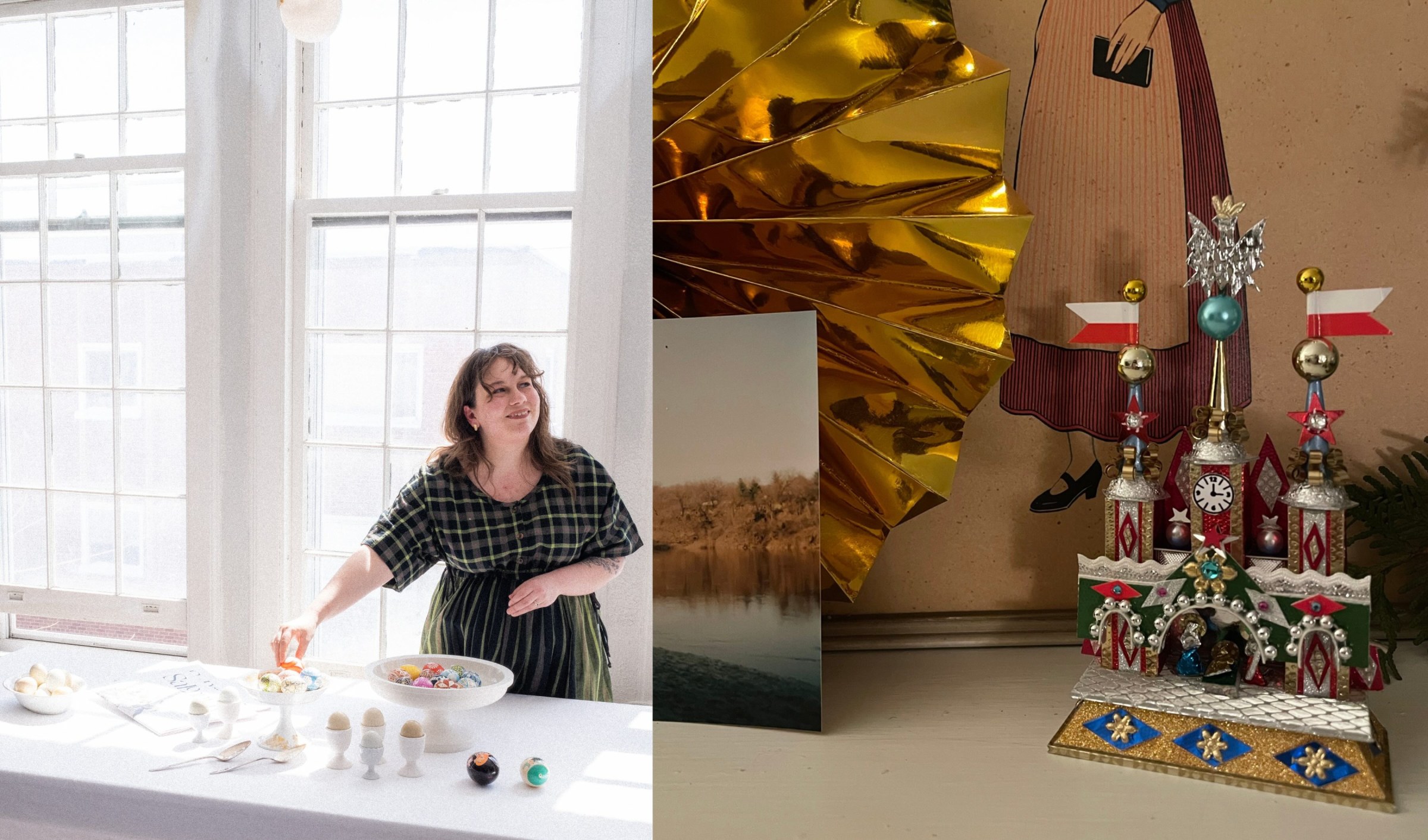
M.Arch student Alexanda Eninsche, whose project is titled, "Krakow Szopka: Speculative Cities as Folk Art," describes her background as “straddling the realms of art and architecture, working in public art and puppetry as well as standard architectural offices. I often find myself being the analytical mind in a whimsical environment.” The inspiration for her project to study szopki came from her experience growing up among a large Eastern European diaspora community outside of Detroit. Her upcoming travel to Krakow, enabled by the Elizabeth Gamard Memorial fund, will allow her to learn how the architecture of the city is ultimately distilled into these culturally significant art objects.

Fourth year Bachelor of Architecture student, Anja Li, along with fellow researcher Jay Martin, will travel to Spain through a Travel Fellowship made possible by the John William Lawrence Fund. Having taken design courses with Professor Patti Dunn, Li has previously explored her interest in fashion during a research trip to Japan. She is “particularly drawn to the intersection between clothing construction and architecture, an overlap that is often overlooked. Much like architecture, clothing design is rooted in craft, material understanding, and precision in making.” She and Martin will travel throughout Spain this summer to study espadrilles, paying close attention to “how traditional methods of making can inform contemporary design practices and how these techniques can be reinterpreted through an architectural lens.” Lessons learned from this local, small-scale production can have major implications for responding to unsustainable practices associated with fast fashion.
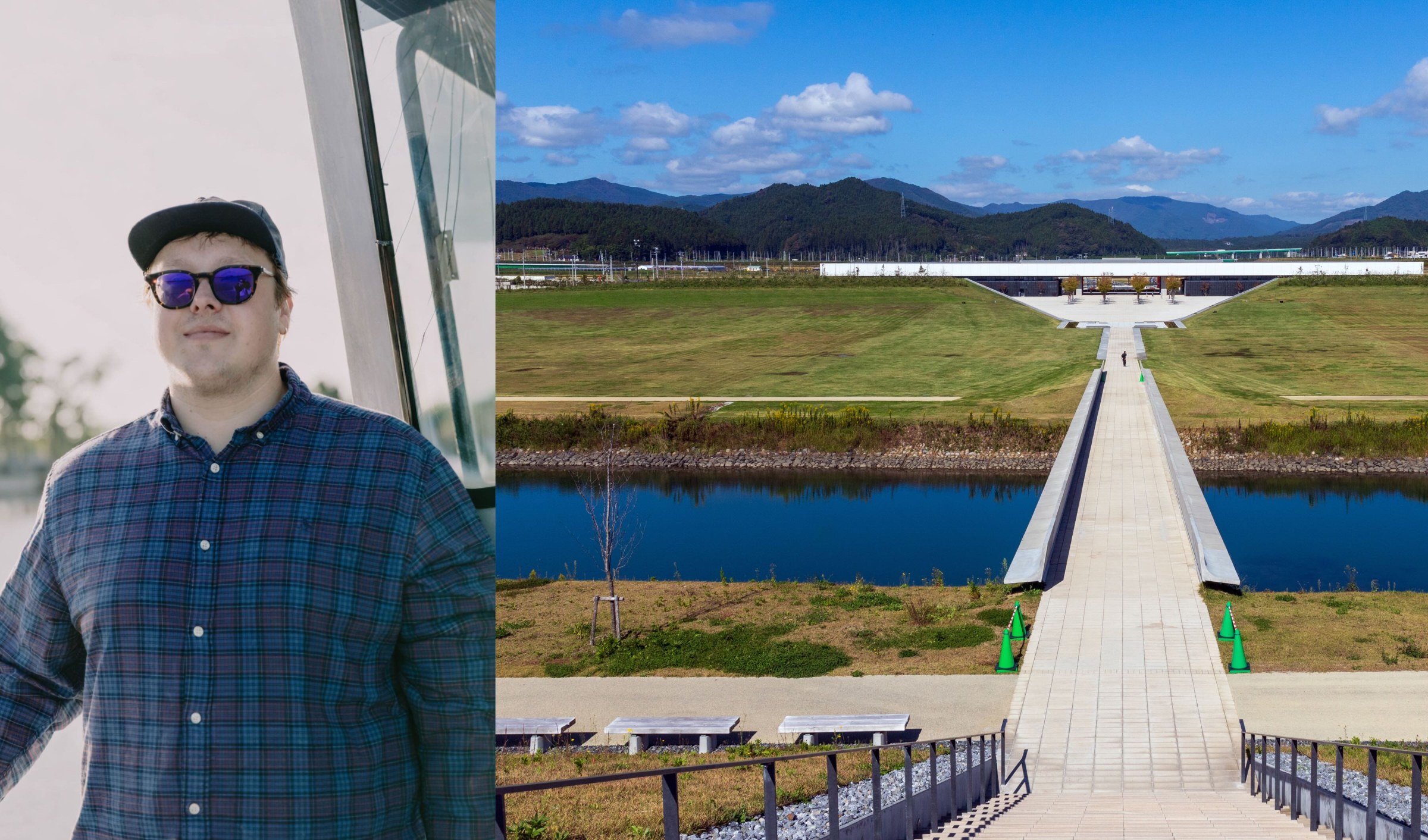
Gabriel Musselman, PE, WEDG, ENV SP, a Master of Landscape Architecture (MLA) and Master of Science in River-Coastal Science and Engineering (MS RCSE) candidate, came to Tulane after time spent as a civil-water engineer with Arup in Washington, D.C. and New York, NY, where he contributed to projects in the sustainability, water, municipal, transportation, and technology sectors. Undergirded by his interest in the intersection of nature and urban systems, his research proposal, “Inhabiting the Gray-Green: An Architectural Approach to Disaster Risk Reduction in Coastal Japan” seeks to “track the reemergence of gray-green infrastructure throughout coastal Japan by documenting site-gray-green infrastructure throughout coastal Japan by documenting site-scale interventions in differing landscape typologies along mainland Japan's northeastern coast.” Ultimately, Musselman hopes his research on Japan’s adaptations to climate change and water incursion has the potential to help inform solutions that may be applicable in South Louisiana Restoration Projects.

Research partners and Design majors Dylan Steiner and Sarah Marcus, will also travel to Japan to study playground design. Through the documentation of "movement patterns, crowd behavior, sensory engagement, and equipment usage," Steiner and Marcus will record both the design of the playgrounds and the ways in which children interact with them in order to identify best practices and applications for a prototype of an inclusive playground that equitably suit the needs of all users.
The full list of 2026 selected student proposals are:
- Aaron J. Montalvo, MSHP - Abydos, Egypt - "Rebuilding Angkor"
- Alexandra Eninsche, M.Arch - Krakow, Poland - "Krakow Szopka: Speculative Cities as Folk Art"
- Ignacio Masso and Miranda Santiago, B.Arch - Rio de Janeiro and Sao Paulo, Brazil - "[Cannibalizing Architecture] Leisure & Cultural Centers in Brazil: Adaptive Reuse and Cultural Identity"
- Gabriel Musselman, MLA+MS-RCSE - Eastern Japanese Coast - "Inhabiting the Gray-Green: An Architectural Approach to Disaster Risk Reduction in Coastal Japan"
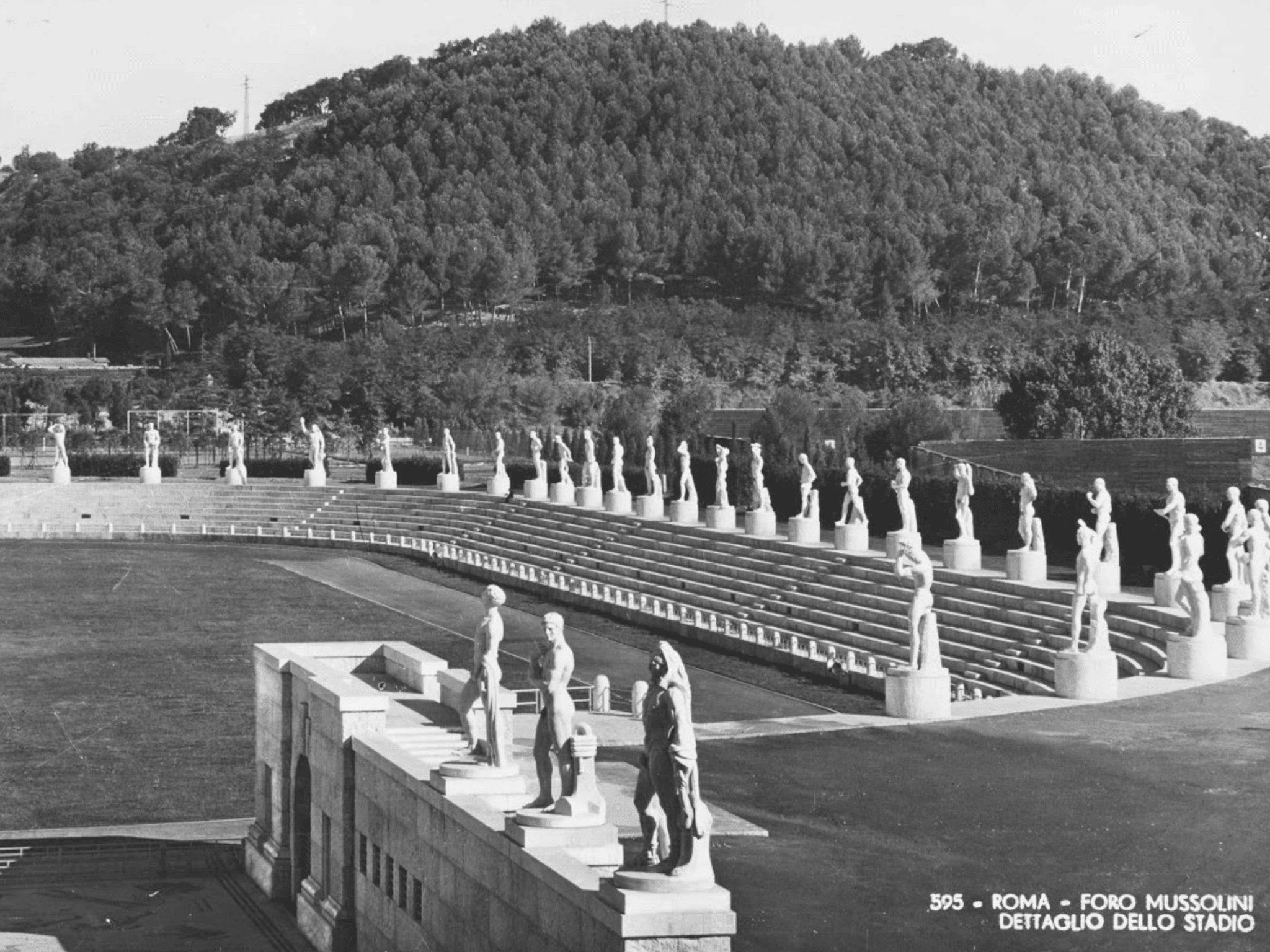
- Jed Manning, M.Arch - Rome, Italy - "Constructing a Nation: Architecture & Spectacle in Mussolini's Rome"
- Jared VanDerzee, M.Arch - Finland - "Post-Dam Cultural Landscapes in Finland: Using Vernacular Practices to Retrace Memory"
- Anja Li and Jay Martin, B.Arch - Barcelona, Murica, Cordoba, Spain - "Walking Through Craft: Site-Specific Shoemaking Across Spain"
- Sarah Marcus and Dylan Steiner, B.A.Design - Tokyo, Nagoya, Yonago, Hofu City and Fukuoka, Japan - "Playgrounds with a Purpose"
- Saracenn Lunn, M.Arch - Nairobi, Kenya - "Urban Farming in Nairobi: Community-Driven Planning"
- Olivia Rush, B.A.Design - Thailand, Cambodia, Laos, and Vietnam - "Exploring the Influence of a Collectivist Cultural Framework on Sacred Space Design Practices in Thailand and Vietnam"
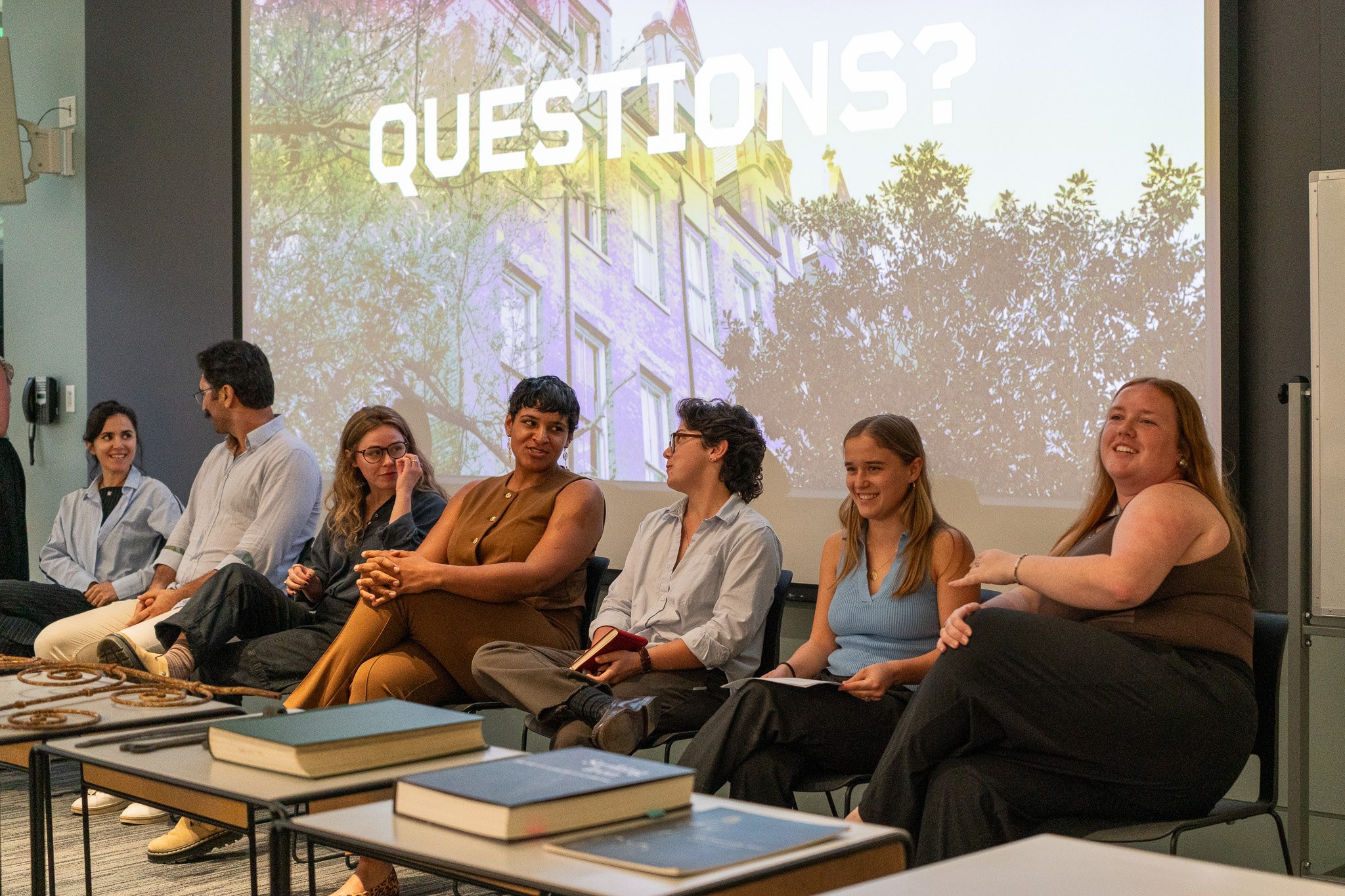
The 2026 awards announcement comes on the heels of a riveting round of presentations from the 2025 cohort. These students projects ranged in location; sites of study included Japan, Italy, Morocco, Chile, Germany, New York and Washington, DC.
The next call for proposals will go out in Fall 2026.
RELATED
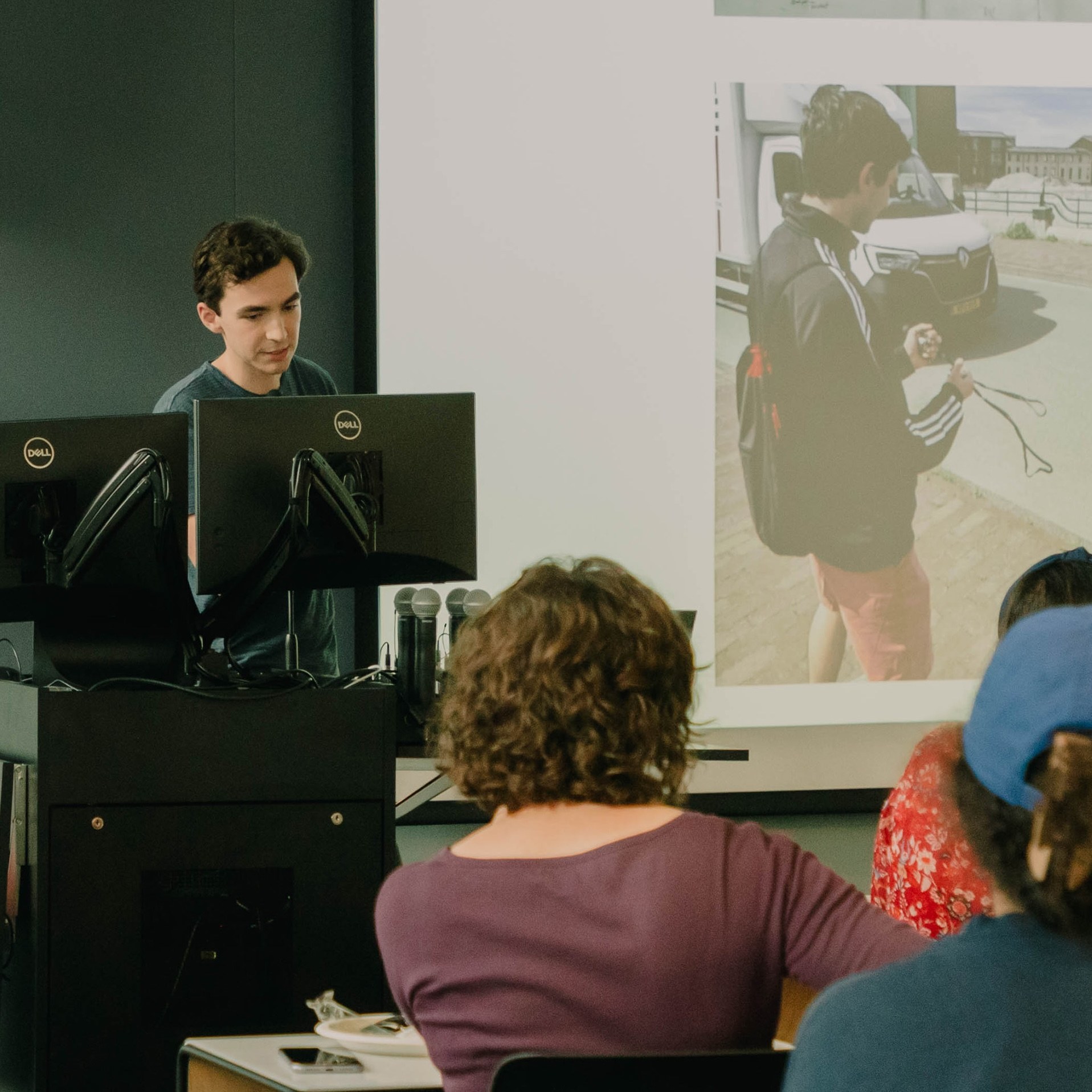
Annual Travel Fellowship Presentations
On March 11, the school hosted the 2026 Student Travel Fellowship Program Lecture, featuring six undergraduate and graduate student travel fellowship presentations, along with a selection of food representing the regions our students visited.
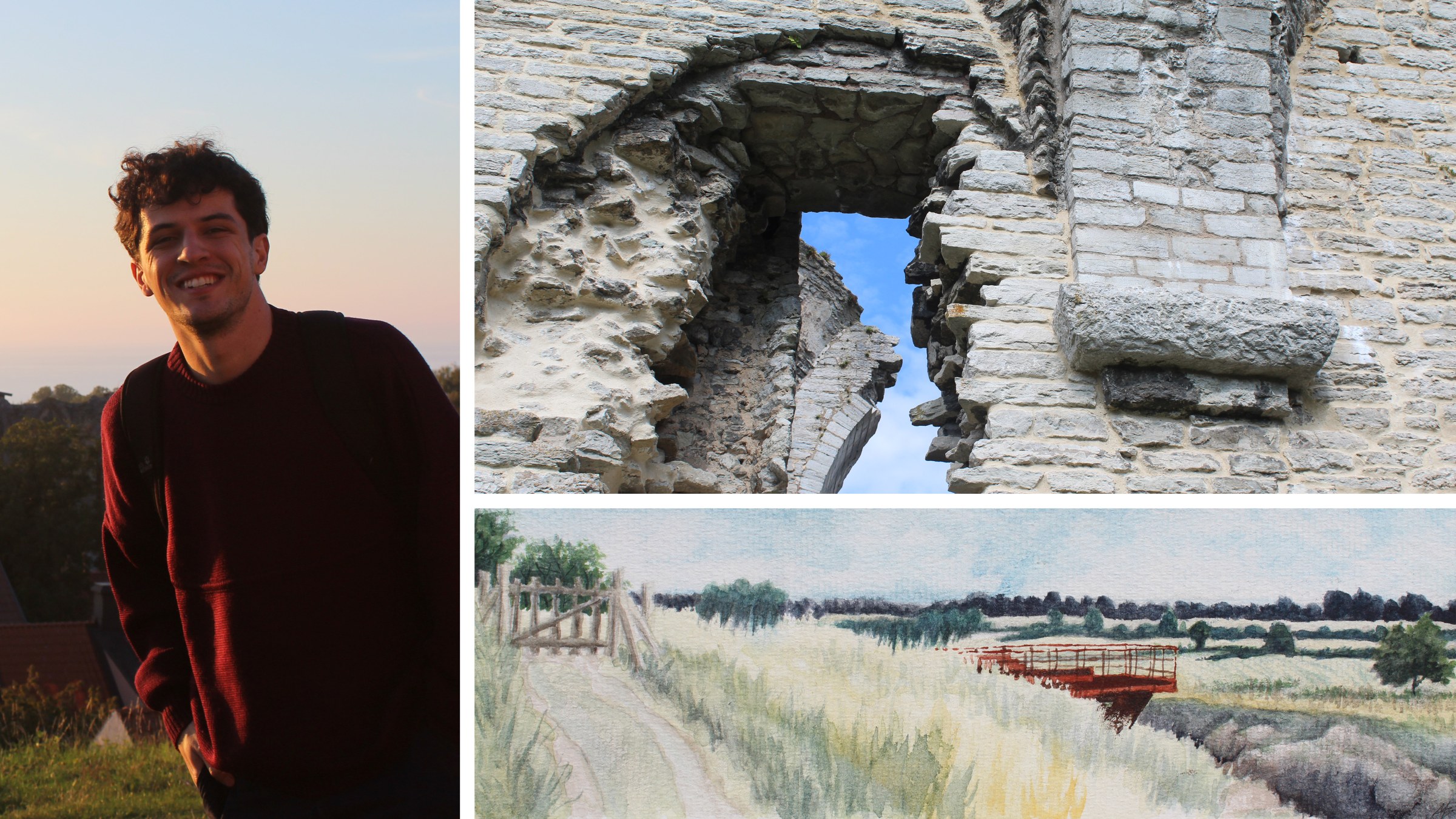
Travel Fellowship: "On Island Time: Adaptive Ruin Reuse in Isolation"
Alumnus Michael Bell (M.Arch '25) presented on his proposed study to document adaptive reuse strategies at ruin sites on four Baltic islands: Gotland, Christiansø, Bornholm, and Rügen. Bell's research abroad was funded by the John Belle Travel Fellowship, an annual award for a graduate student in Architecture, Historic Preservation, and/or Urban Design.