Gene Cizek Featured as a Leading Force in Preserving the Marigny
March 19, 2026
BY EVan Allbritton
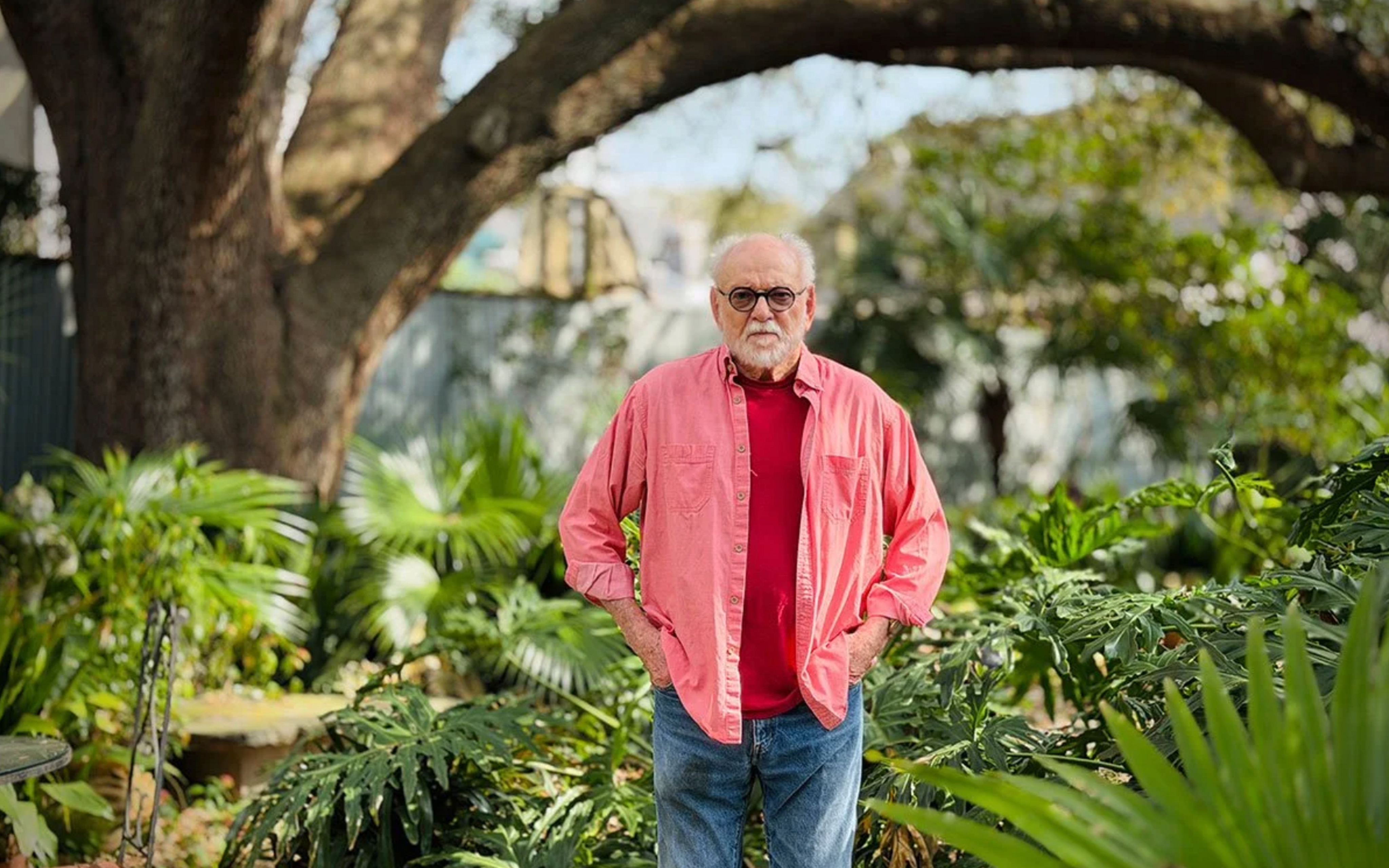
Gene Cizek, Emeritus Professor of Architecture, was featured this month by the French Quarter Journal for his instrumental role in preserving the Faubourg Marigny neighborhood. Since buying his home there in 1976, Cizek's preservation work, teaching, and community leadership has shaped the historic neighborhood for decades.
Born in 1940 to a Bohemian-American family in Louisiana, Cizek comes from a long line of architects and creatives. His grandfather was an architect as well, and Cizek especially credits his parents for helping him find his passion in architectural preservation.
He went on to become exceptionally educated — He attended LSU for his bachelors in architecture, MIT for two masters degrees in city planning and urban design, secured a Fulbright Scholarship to Delft Technische Hogeschool in the Netherlands for a doctor of science degree in planning, and finally, attended Tulane University for a PhD in environmental social psychology. He soon returned to Tulane as a professor in 1970, where he established the university's Master of Preservation Studies.
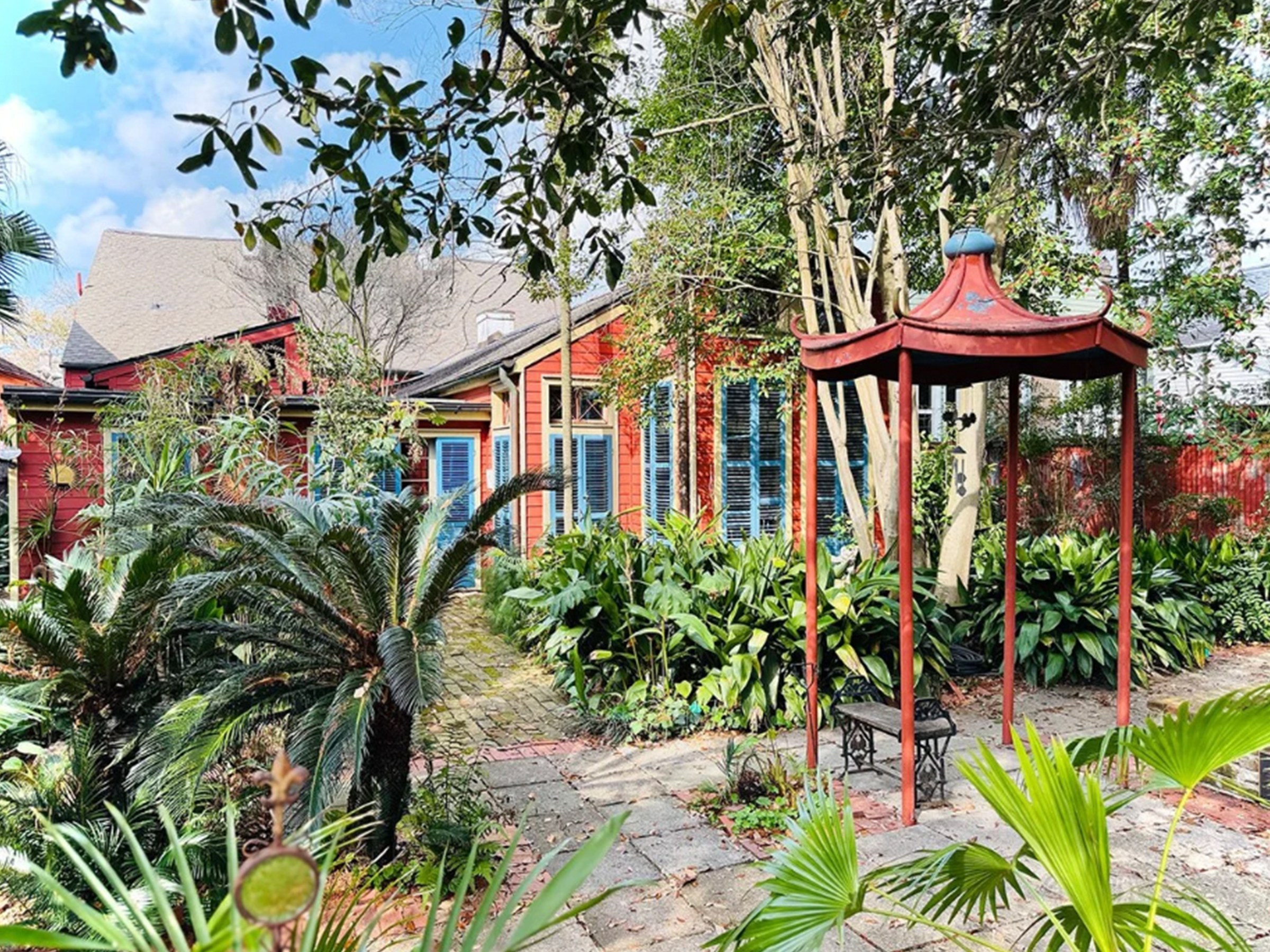
After moving to New Orleans, Cizek began his work restoring the Marigny neighborhood, which was spurred by his Tulane dissertation, “Faubourg Marigny: A Proposal for Environmental Conservation.” While his influence has touched many parts of the Marigny and its built environment, his home, called Sun Oak, truly exemplifies his passion for preserving history through architecture.
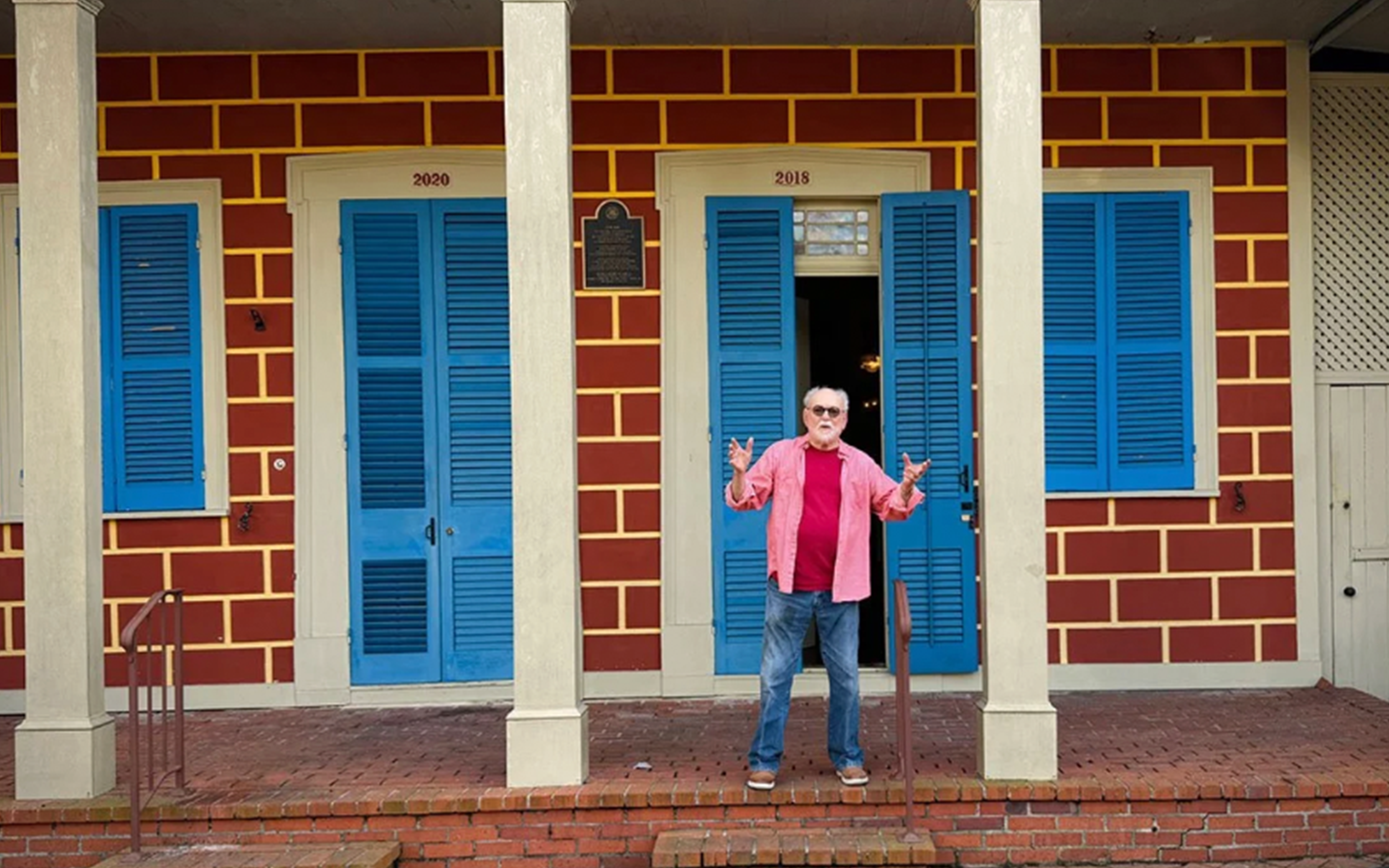
Sun Oak is designed to resemble three joined Creole cottages, and was originally built by a free woman of color, Constance Rixner Bouligny, before being sold in 1806. 30 years later, the home was renovated in the Greek revival style, while simultaneously leaning on Caribbean coloring, including French red and Egyptian blue. The property was in disarray when Cizek bought it over a century later, but he was able to restore it to its former glory as well as make additions to it over the years, blending the old with the new.
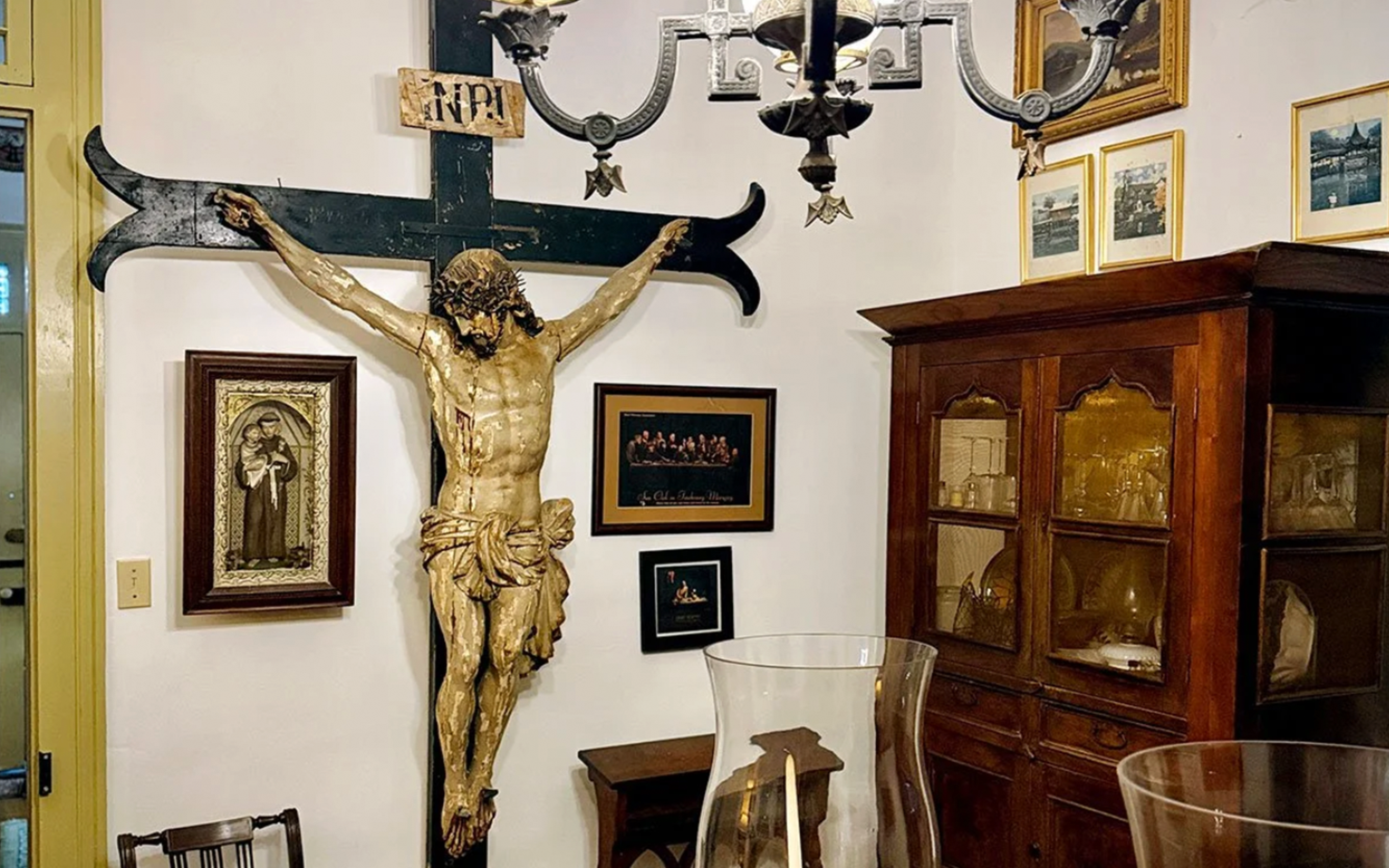
Among Sun Oak's historical artifacts is a massive crucifix originally from the first St. Louis Cathedral and later used in the first African American church built by the Catholic archdiocese. The church was eventually torn down for the construction of Tulane Hospital, leaving the crucifix with nowhere to go. Rather than this piece of history and culture be destroyed, though, Cizek was able to rescue it and had it blessed so neighbors could come pray without walking to the cathedral. The artifact now hangs in Sun Oak's dining room.
In addition to the many pieces of Marigny history that Cizek has preserved, he has also added on to Sun Oak over the years. The 2004 Sun Room Addition to Sun Oak House — designed by Cizek and built by his Masters in Preservation Studies students — illustrates how Cizek strikes a balance between preservation and renovation. The addition stays true to the home's historical style and colors while also featuring some of Cizek's personal tastes.
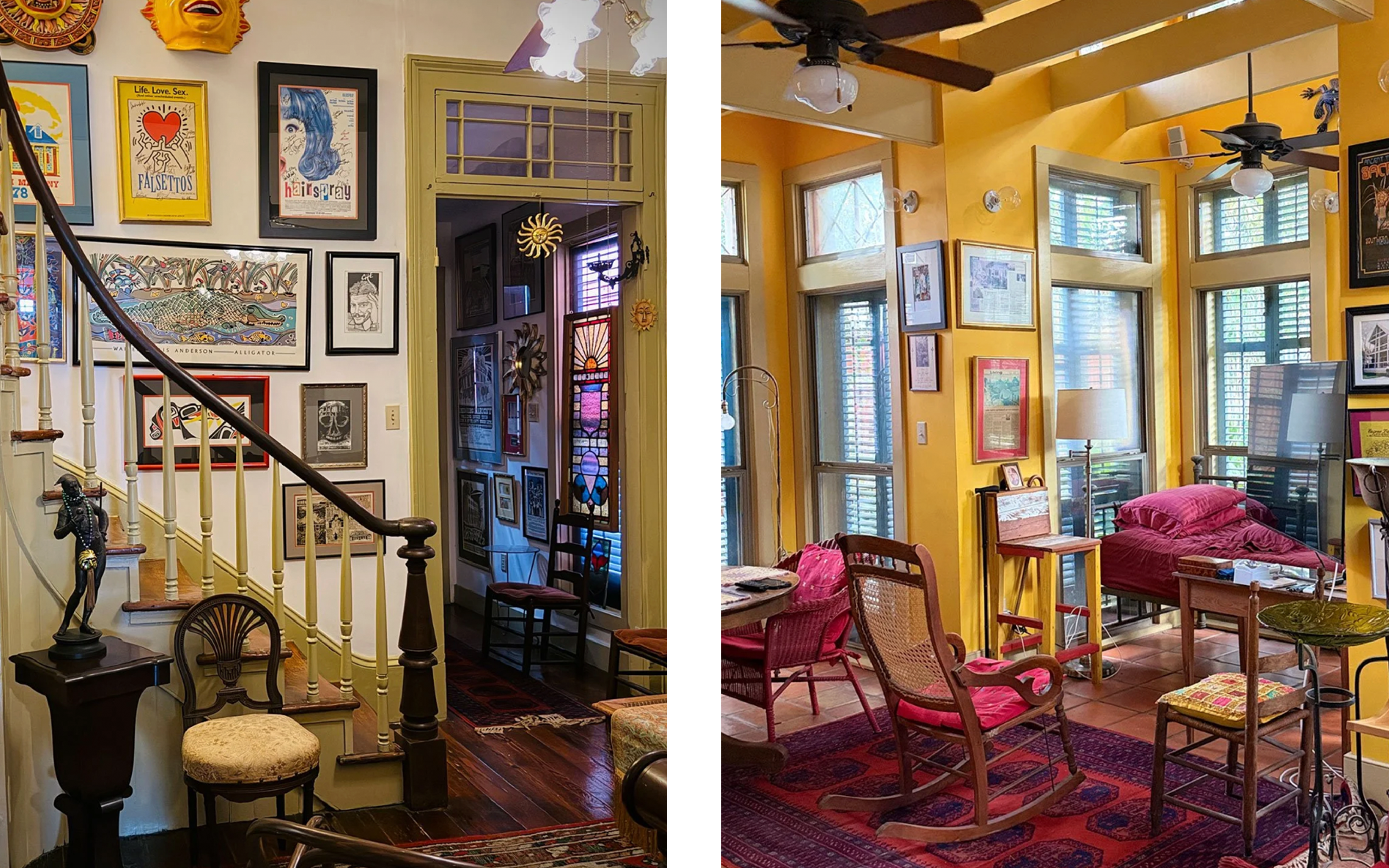
Over his vast career, Cizek has been instrumental in establishing the Marigny neighborhood as a significant historic district, dedicating decades to restoring and safeguarding New Orleans architecture. Cizek's skills as a historic preservationist artfully blends the past with the present, making Sun Oak a piece of living history.
Related
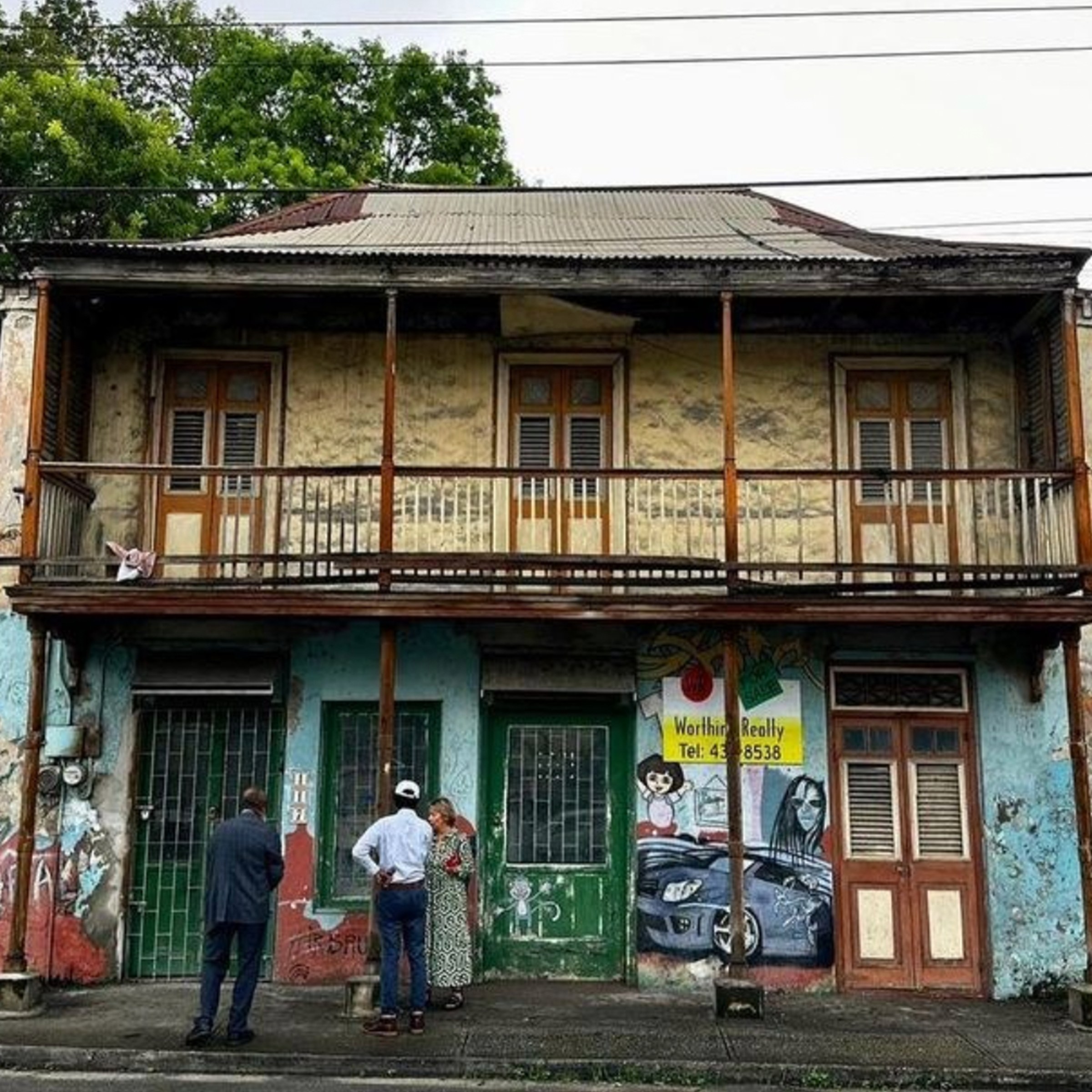
Historic Preservation students travel to Barbados
Partnering with the Commonwealth Heritage Forum, graduate students from Tulane School of Architecture traveled to Bridgetown, Barbados, in January 2023 for a unique international opportunity.

Blokker and Liles receive grant for transformative preservation of historic African American schools
After receiving a grant for $15,000, helping to reclaim the African American spaces left behind by school desegregation is the focus of 2020 work by Tulane School of Architecture faculty Laura Blokker and Andrew Liles.