Tulane Center on Climate Change and Urbanism Awards 2025–2026
May 29, 2026
BY the Center on Climate Change and Urbanism
The Tulane Center on Climate Change and Urbanism (CCU), within the School of Architecture and Built Environment, has awarded top honors to four faculty members for their significant achievements in teaching climate change. To foster innovation in the development of climate change curriculum, CCU hosts the Tulane Prize for Climate Change Curriculum in the Built Environment. This prize is awarded annually to faculty members who demonstrate excellence in the development of core and elective curriculum in climate change and the built environment.
Among an international roster of nominations, the selected awardees and honorees represent benchmark contributions for their work in developing cutting-edge curriculum relating to climate change mitigation and adaptation in the training of future urban planners, architects, landscape architects, urban designers, and other allied professions of the built environment. Recognized syllabi may be accessed at climatesyllabus.org, which serves as a repository for hundreds of courses, studios, and seminars. This year, the awardees will be awarded a total sum of $10,000 in recognition of their achievements.
The 2025-2026 Tulane Prize for Climate Change Curriculum in the Built Environment is jointly awarded in separate categories, as follows:
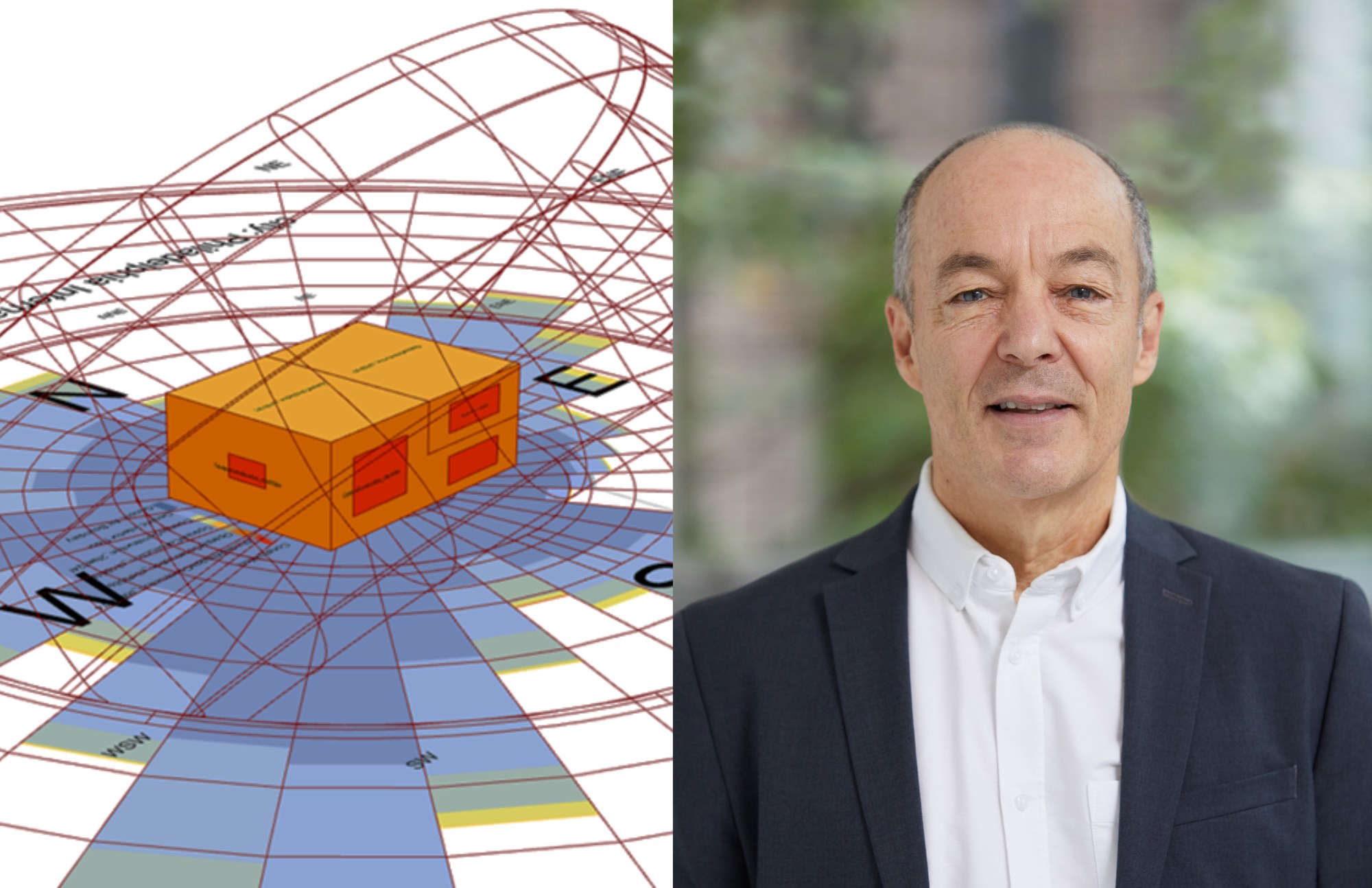
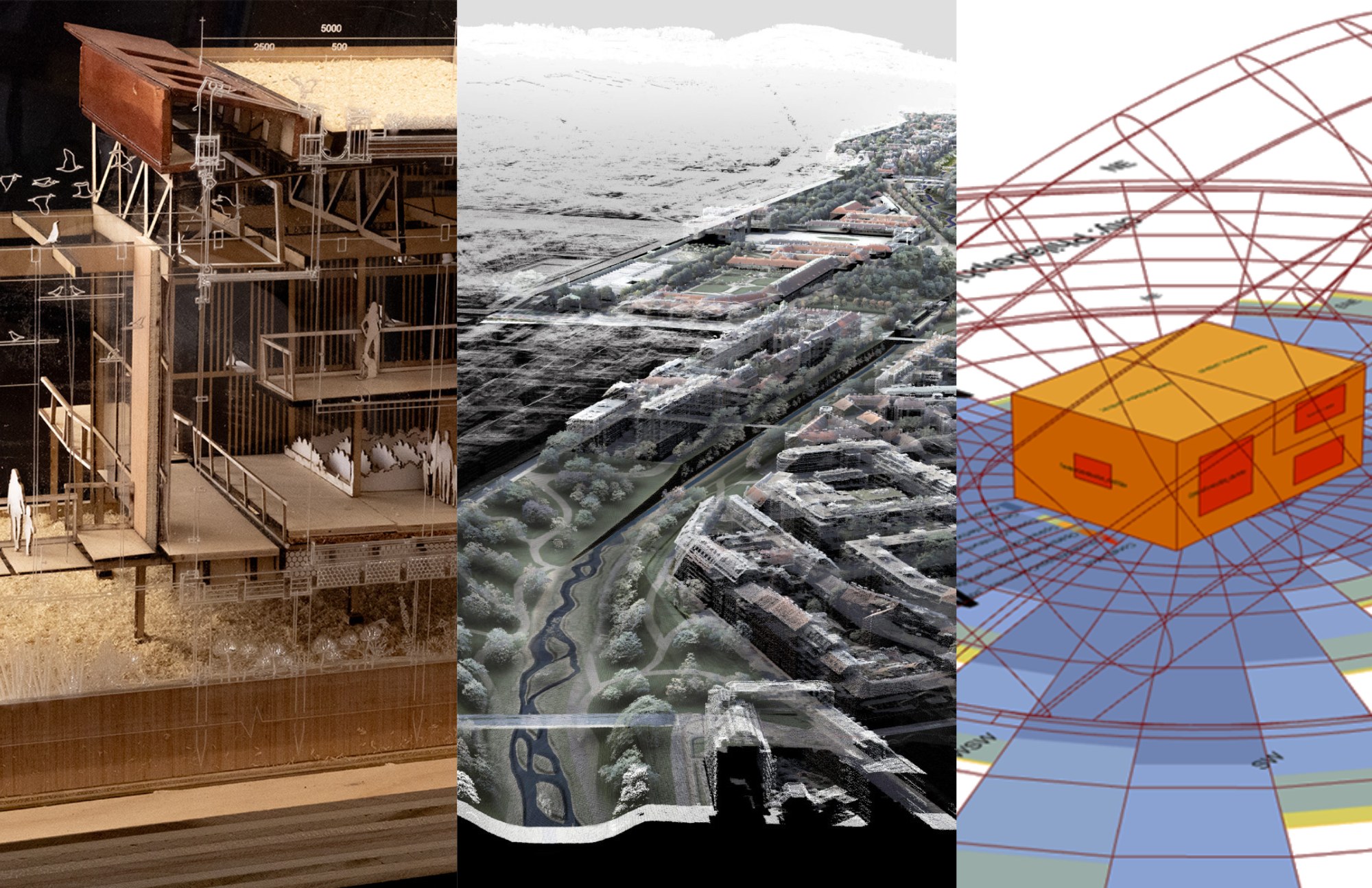
Tulane Prize for Climate Change Curriculum in the Built Environment: Environmental Building Design
Professor William W. Braham, University of Pennsylvania
Fundamentals of Bioclimatic Design
The Fundamentals of Bioclimatic Design is grounded in the classic, mid-century practices that emphasize the “passive” properties of the building envelope, of the ability of the walls, windows, and thermal mass of the building to modulate the interior climate. We also enhance and extend those practices by adapting smarter technologies, which can leverage more environmental resources to make buildings comfortable, healthy, and energy efficient. It combines principles of biology, climatology, and building science empowering architects to develop new forms of building that improve habitability. The course begins with structured exercises using analytical tools and techniques which are then developed in case studies of exemplary bioclimatic buildings.
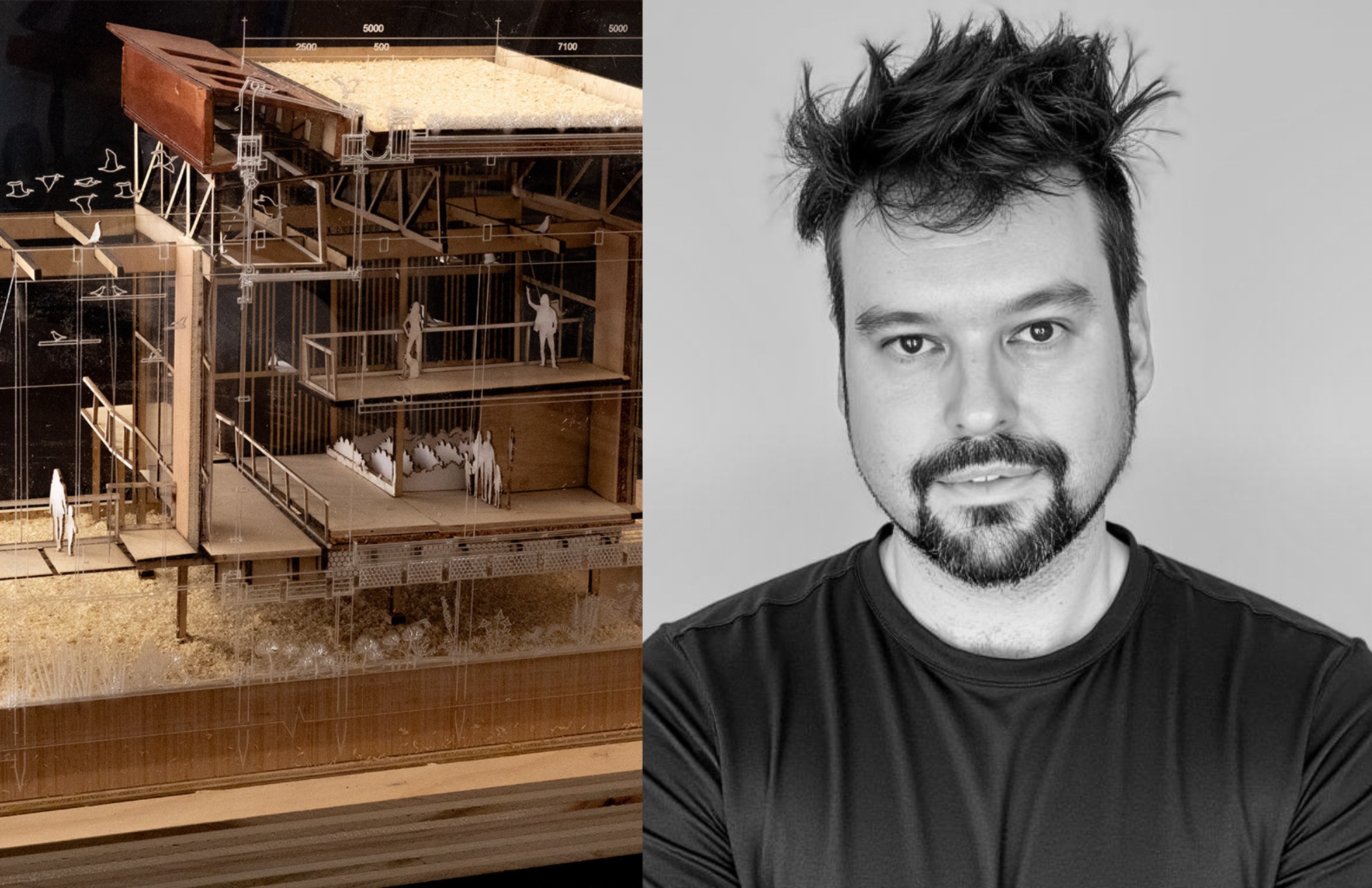
Tulane Prize for Climate Change Curriculum in the Built Environment: Architecture
Professor Zachary Colbert, Carleton University
Beside a bog that has been breathing for seven thousand years, a developer is preparing to build more houses. The Rights of Nature Studio begins here. Carleton's M.Arch comprehensive design studio refuses the premise that climate is a technical problem to be solved at the margins of architectural practice. It begins instead from the proposition that dominant architectural practice is structurally entwined with the climate crisis. Students treat the Mer Bleue peatland as client, collaborator, and teacher. Biogenic materials, energy modelling, and life cycle assessment are taught as instruments of approximation, useful precisely to the degree that students learn to feel where they fall short. Every CACB accreditation requirement is met; every assumption behind it is held to the light.
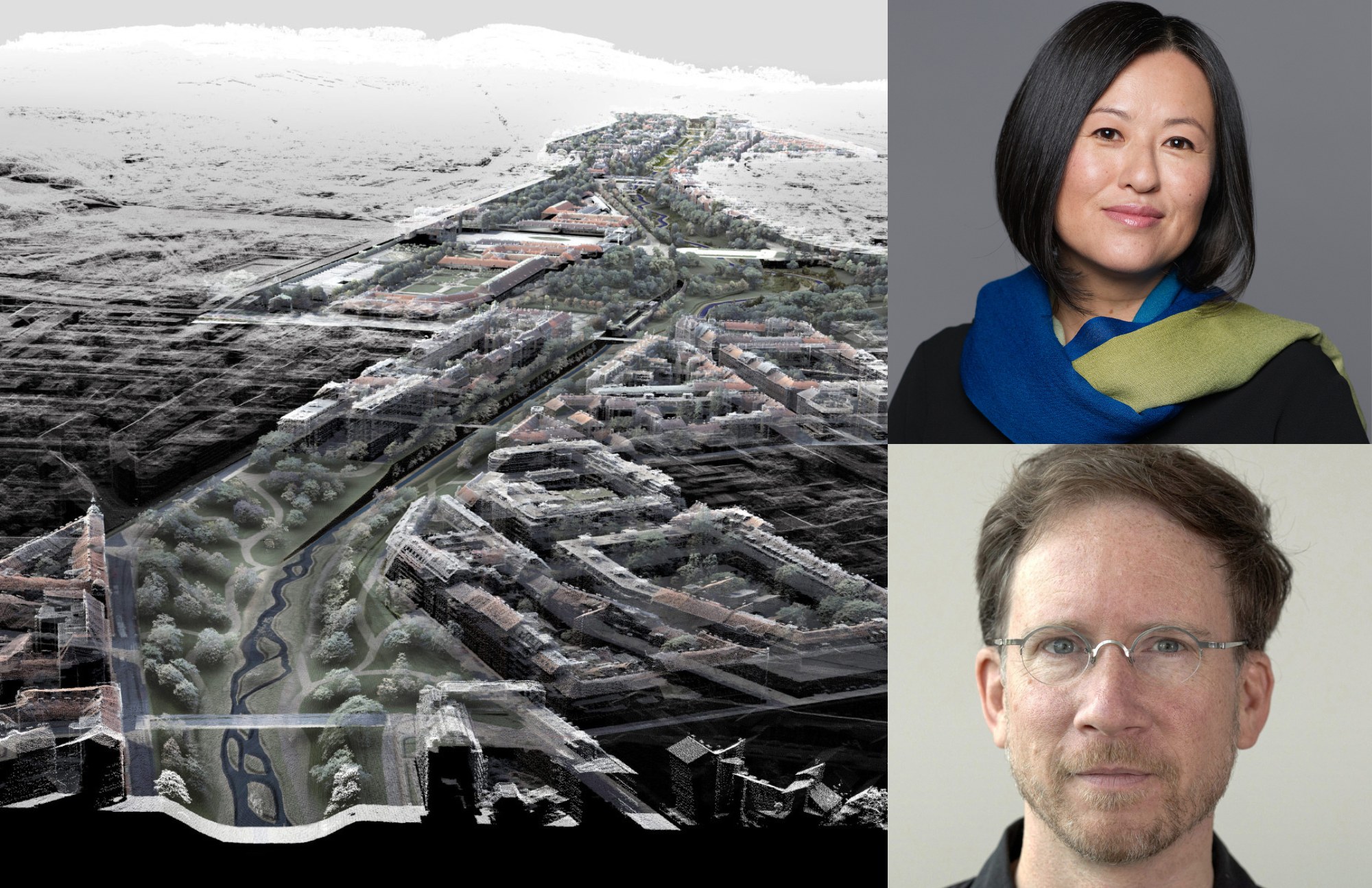
Tulane Prize for Climate Change Curriculum in the Built Environment: Landscape Architecture
Professor Philipp Urech, USI Mendrisio, ETH Zürich and Professor Susann Ahn, TU Wien
Making Greenways: A Typological Transposition between Vienna and Seoul
As rivers become frontlines of climate adaptation, the studio Making Greenways asks how urban waterways can be restored from the inside out. Working on the last ten kilometers of Vienna's channelized Wien River, students developed site-specific proposals that replace concrete embankments with riparian parks, open riverbanks to pedestrian and cycling access, and embed blue-green corridors into the city's ecological fabric. Seoul's restored Cheonggyecheon River served as both precedent and field laboratory. A joint workshop with Seoul National University produced intercultural design experiments grounded in photogrammetric survey and LiDAR-based 3D reassembly. The studio treats precision modeling as a design instrument beyond mere visual representation to reimagining flood-resilient, biodiverse, and publicly accessible urban rivers.
Six Honorable Achievement awards were also presented across a range of emerging curricular categories.
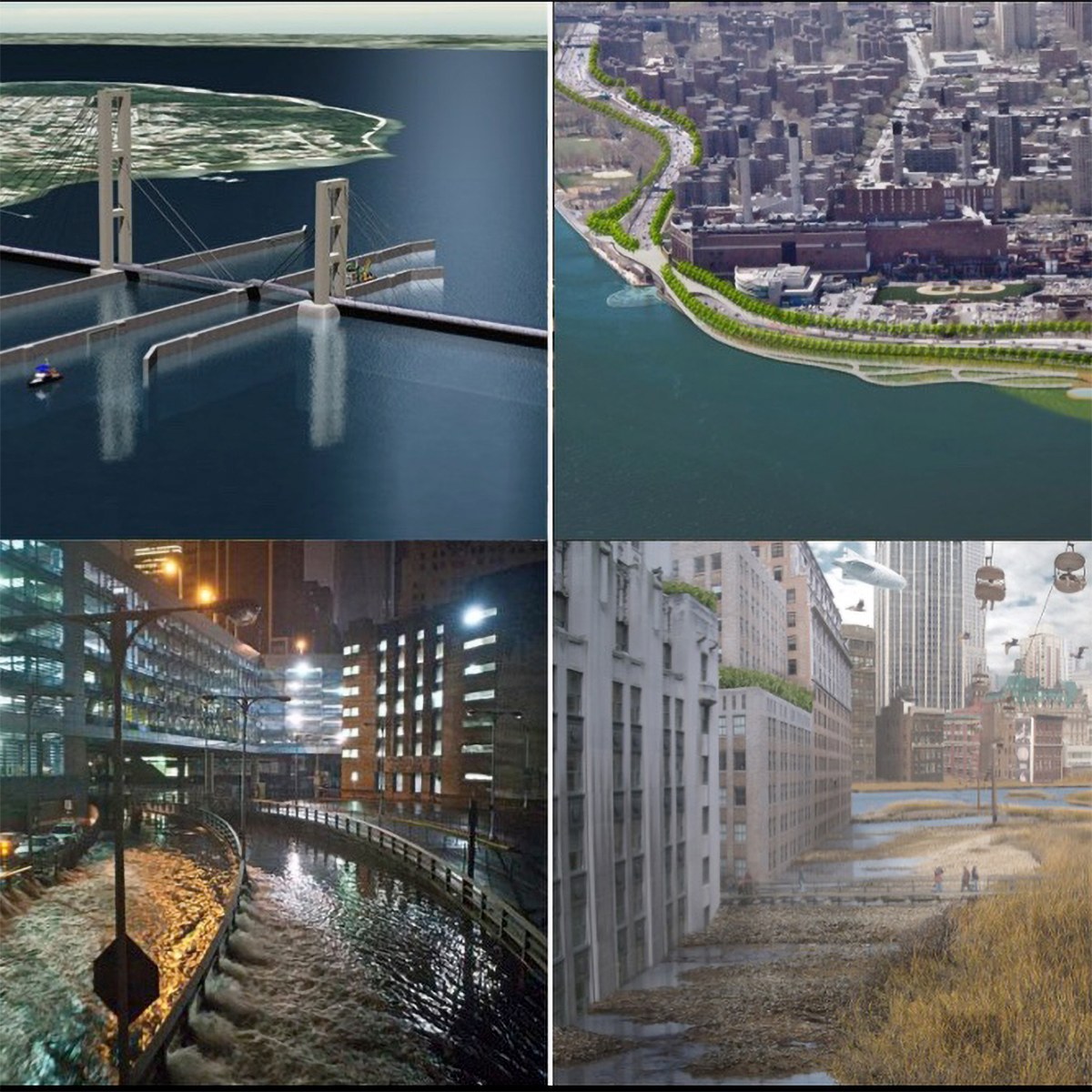
Honorable Achievement for Climate Change Curriculum in Urban Planning
Professor Marina Alberti, University of Washington
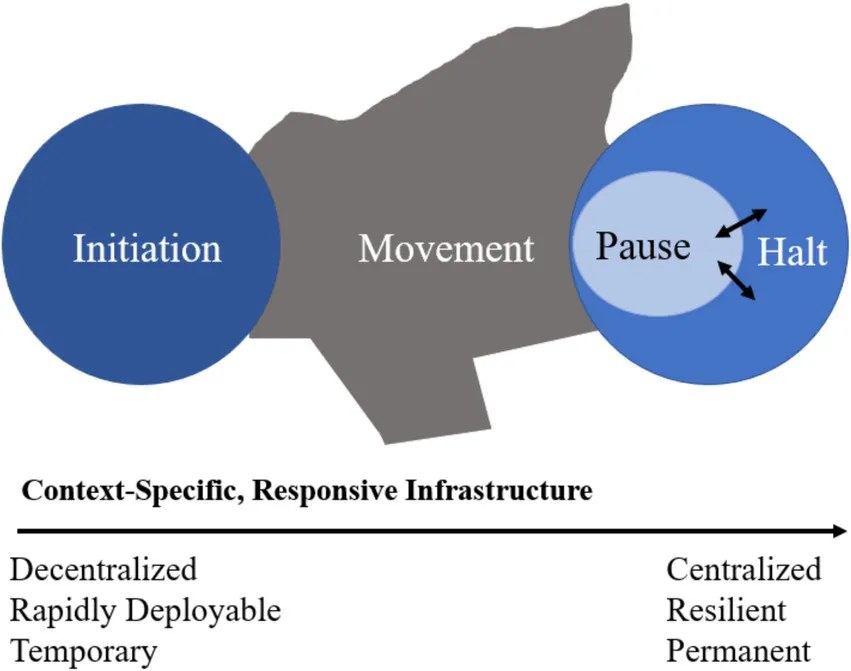
Honorable Achievement for Climate Change Curriculum in Climate Mobility
Professor Kelsea Best, The Ohio State University
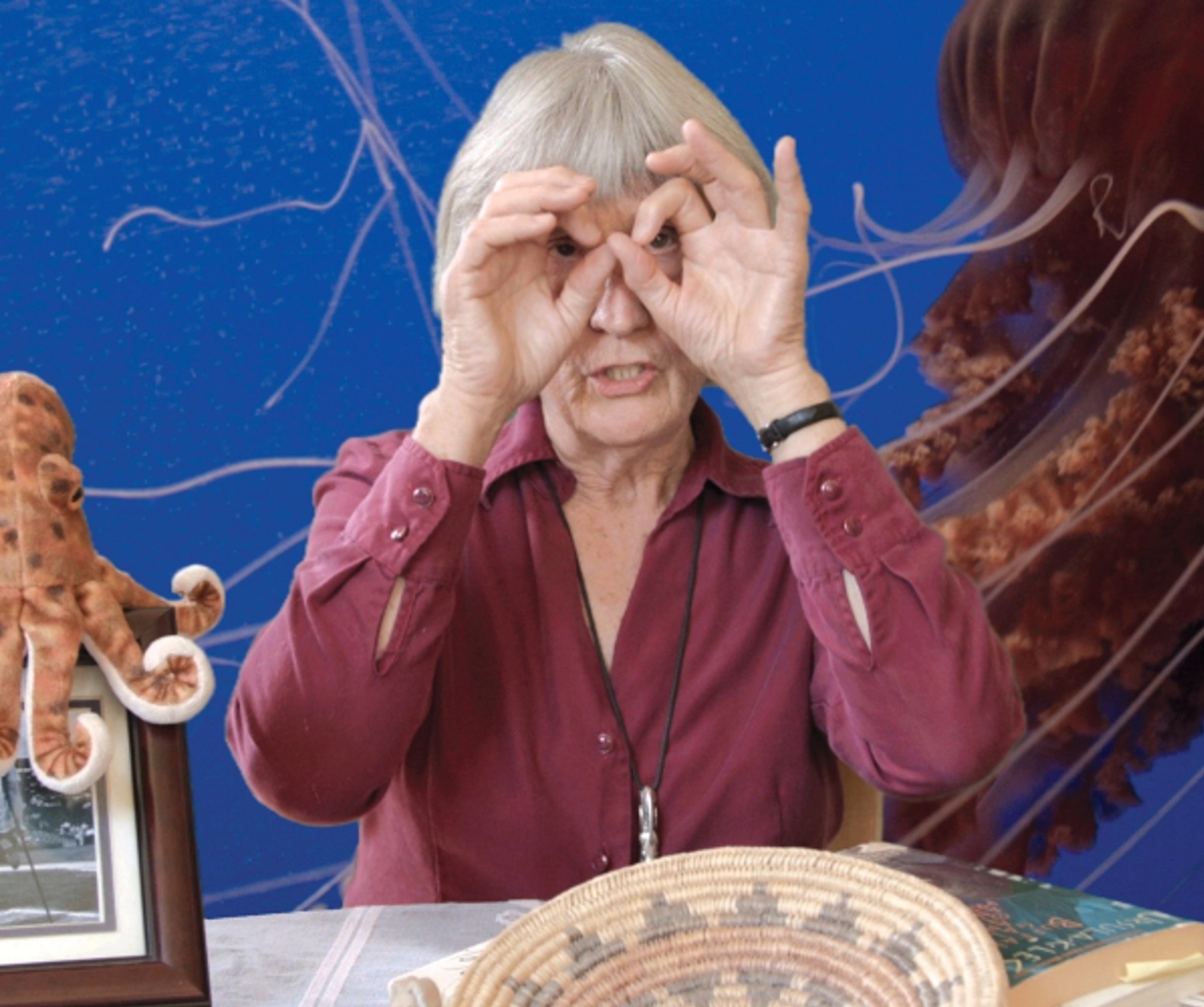
Honorable Achievement for Climate Change Curriculum in Climate Narratives
Professor Rania Ghosn, Massachusetts Institute of Technology

Honorable Achievement for Climate Change Curriculum in Climate Justice
Professor Shoshana Goldstein, Trinity College
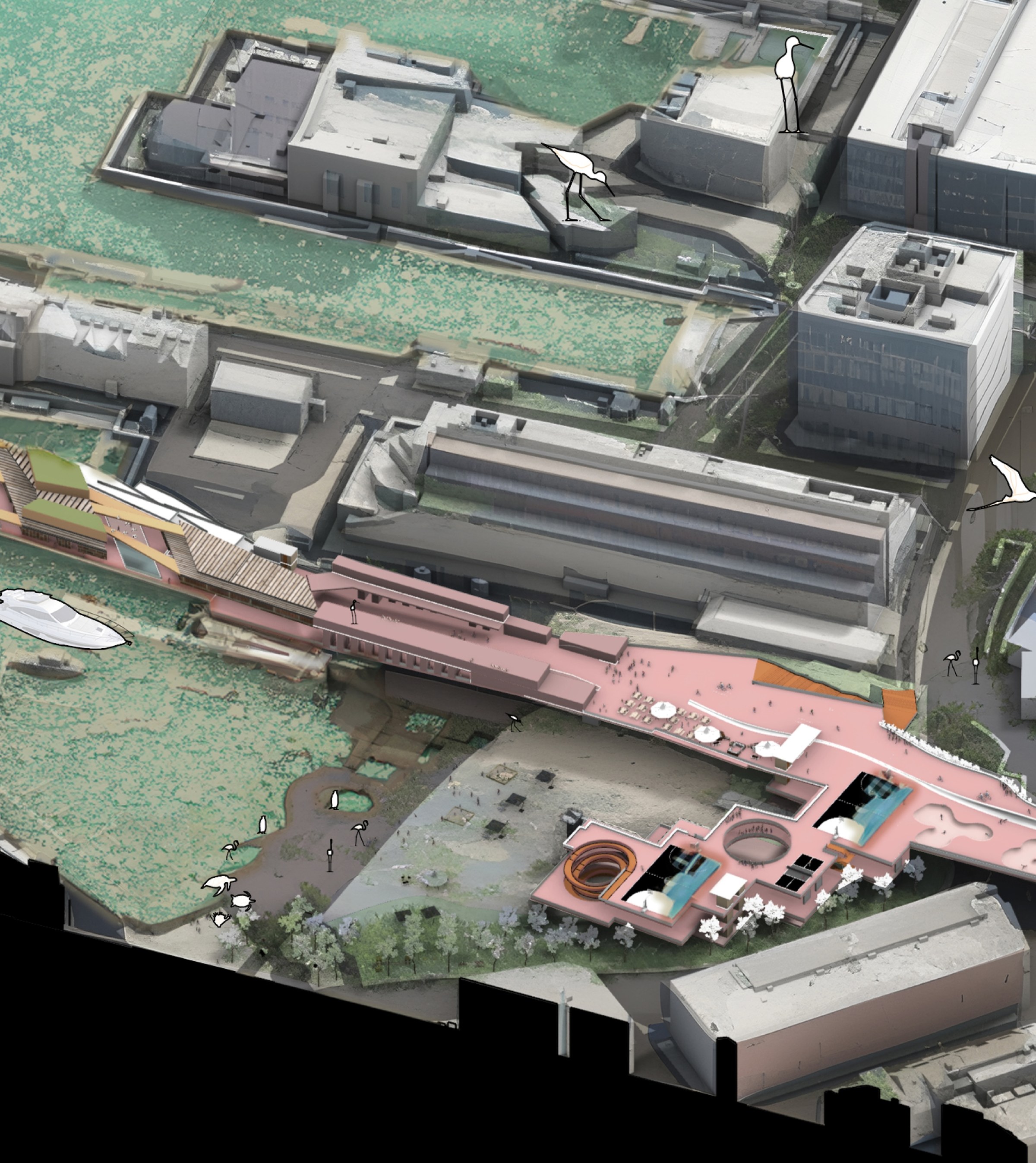
Honorable Achievement for Climate Change Curriculum in Urban Design
Professor El Hadi Jazairy, University of Michigan
Post Carbon Necklace: Designing for Climate Change in Boston
Honorable Achievement for Climate Change Curriculum in Innovative Studio Pedagogy
Professor Kathy Velikov, University of Michigan
About the Center on Climate Change and Urbanism
The mission of the Center on Climate Change and Urbanism (CCU) within the School of Architecture and Built Environment at Tulane University is to advance a more holistic understanding of the role of the built environment in causing, mitigating, and adapting to climate change. Through multidisciplinary research, CCU is tasked with providing and translating new forms of knowledge to support public, private, and civic sector stakeholders in their stewardship of the built environment. Through design studios, courses, applied research, and the dissemination of pedagogical innovations, CCU is invested in the education of the next generation of built environment professionals who are tasked with addressing climate change in all aspects of design, planning, management, and preservation. With a geographic focus on North America, Latin America, and the Caribbean, CCU is centered on advancing teaching and research on the cutting-edge of climate change scholarship and practice.
Related
Center on Climate Change and Urbanism awards inaugural faculty and student grants
The Center on Climate Change and Urbanism (CCU) at Tulane School of Architecture is pleased to announce the inaugural recipients of the Faculty and Student Research Grants for academic year 2024-2025.
Faculty, students win 2025 Architectural Education Awards
The work of Tulane faculty and students recently received national recognition from the 2025 Architectural Education Awards, presented by the Association of Collegiate Schools of Architecture (ACSA).