Work by Pankaj Vir Gupta featured in The Plan
May 18, 2026
BY Rawad nahhas
Two projects by vir.mueller architects — led by Pankaj Vir Gupta, Katz Professor of Architecture and Urbanism, and his partner Christine Mueller — have been featured in consecutive issues of The Plan, one of Europe's leading architectural publications.
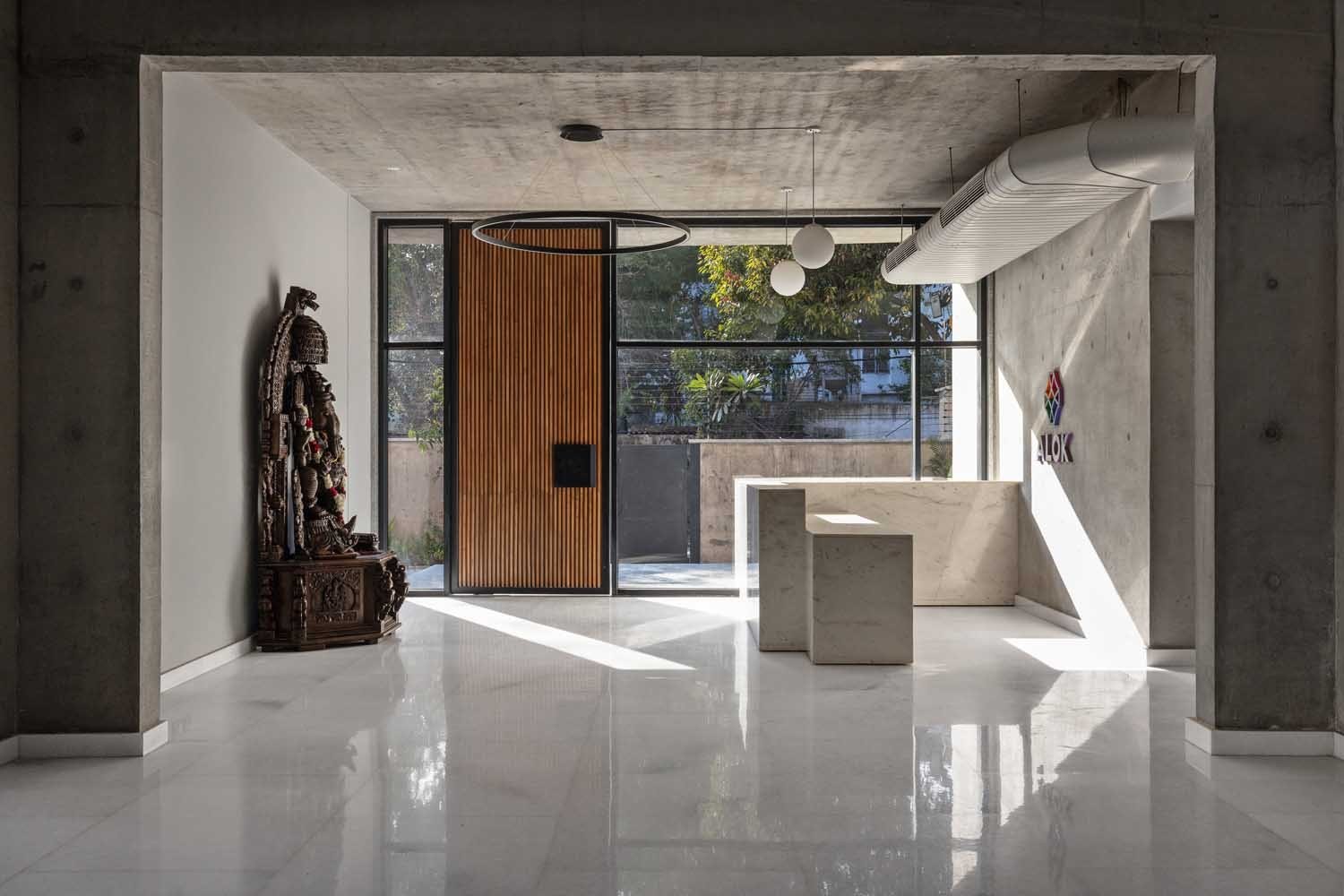
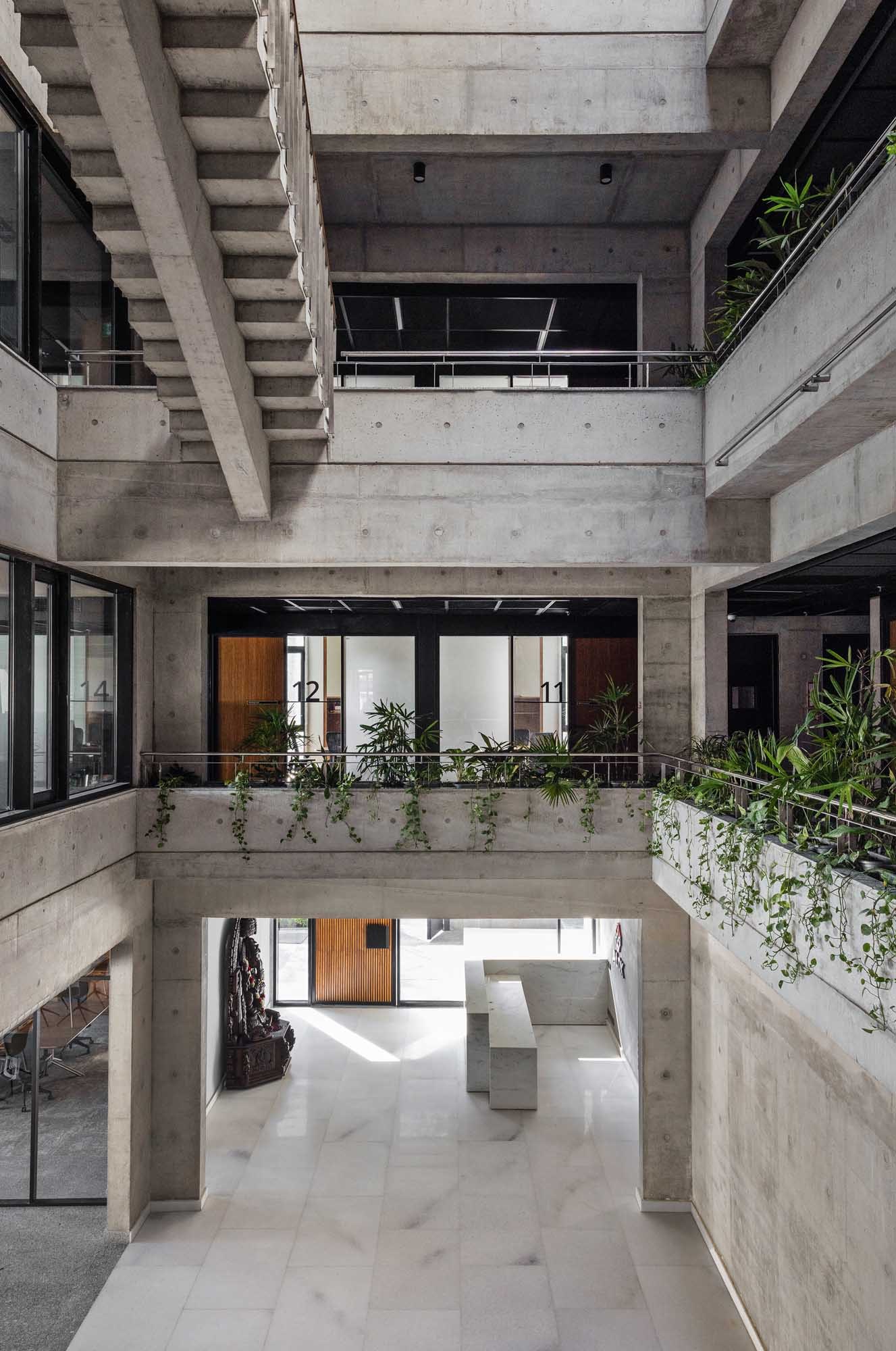
The April 2026 issue spotlights the Alok Office Building, a 3,256-square-meter headquarters completed in 2024 for Alok Masterbatches in New Delhi, India. The exposed brick and concrete structure creates a light-filled volume, with offices and laboratories oriented toward views of an adjacent park — a design that brings together the precision of a research and development environment with a considered openness to the surrounding landscape.
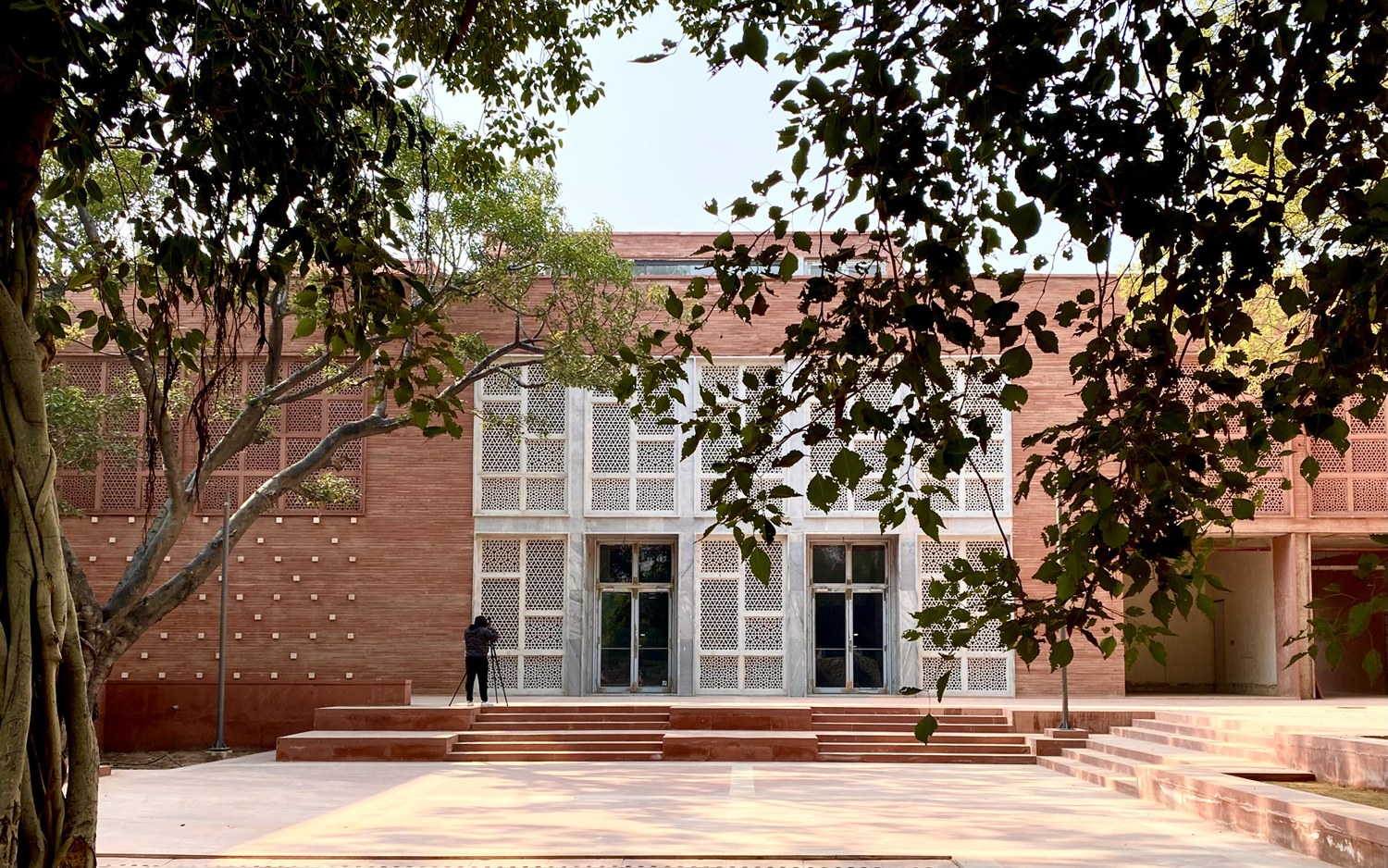
The May 2026 issue (The Plan 170, available in print and online) features the Humayun's Tomb Museum, also in New Delhi. Located adjacent to the 16th-century Mughal monument and UNESCO World Heritage Site, the project engages one of the subcontinent's most historically and culturally significant landscapes.
Related
Entangled Matter is awarded a finalist spot in the Special Projects Category of The Plan 2024 Awards
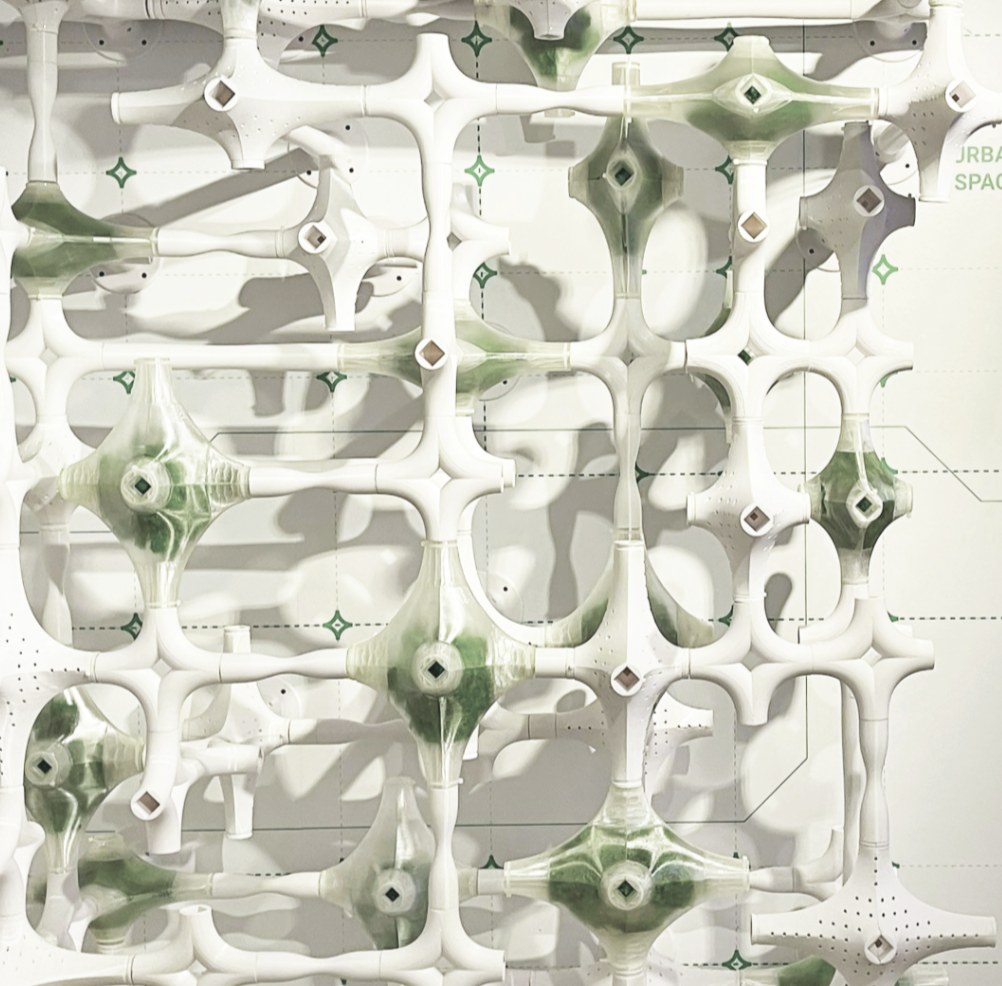
Senior Professor of Practice in Architecture Cordula Roser Gray's innovative work, Entangled Matter, was recognized as a finalist in the Special Projects category of THE PLAN 2024 Awards.

Assistant Professor Assia Crawford has been elected to serve on the board of ACADIA
Assistant Professor Assia Crawford has been elected to serve on the board of ACADIA, an international network of digital design professionals, which facilitates critical investigations into the role of computation in architecture, planning, and building science, encouraging innovation in design creativity, sustainability, and education.