Adam Marcus Lectures and Exhibits at Penn State Stuckeman School
March 13, 2026
BY EVan Allbritton
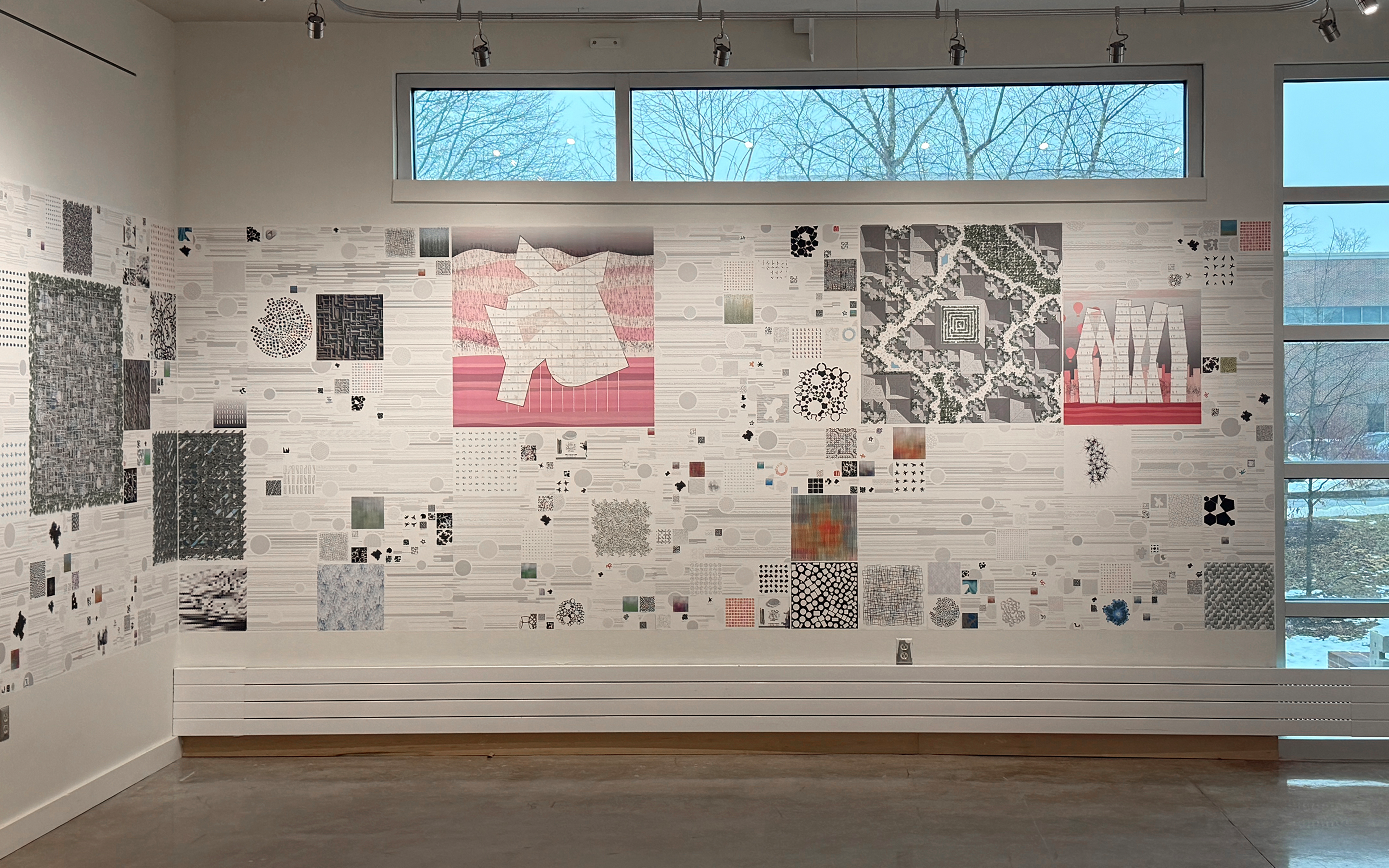
On February 18, Associate Professor of Architecture Adam Marcus traveled to Penn State's Stuckeman School to lecture and celebrate the opening of Hatchwork: An Archaeology of Generative Drawing, an exhibition of new work produced with colleague and Tulane alumnus Andrew Kudless (M.Arch '98).
Hatchwork draws from an archive of procedural drawings and architectural ideations, encompassing over 15 years of experimentation with generative methods of design and graphic representation.
Before this exhibit, Marcus and Kudless have co-authored similar projects, including Drawing Codes: Experimental Protocols of Architectural Representation, which highlights the impact of computation on architectural design. On March 4, the team presented research from both the Hatchwork and Drawing Codes projects in Istanbul, Turkey.
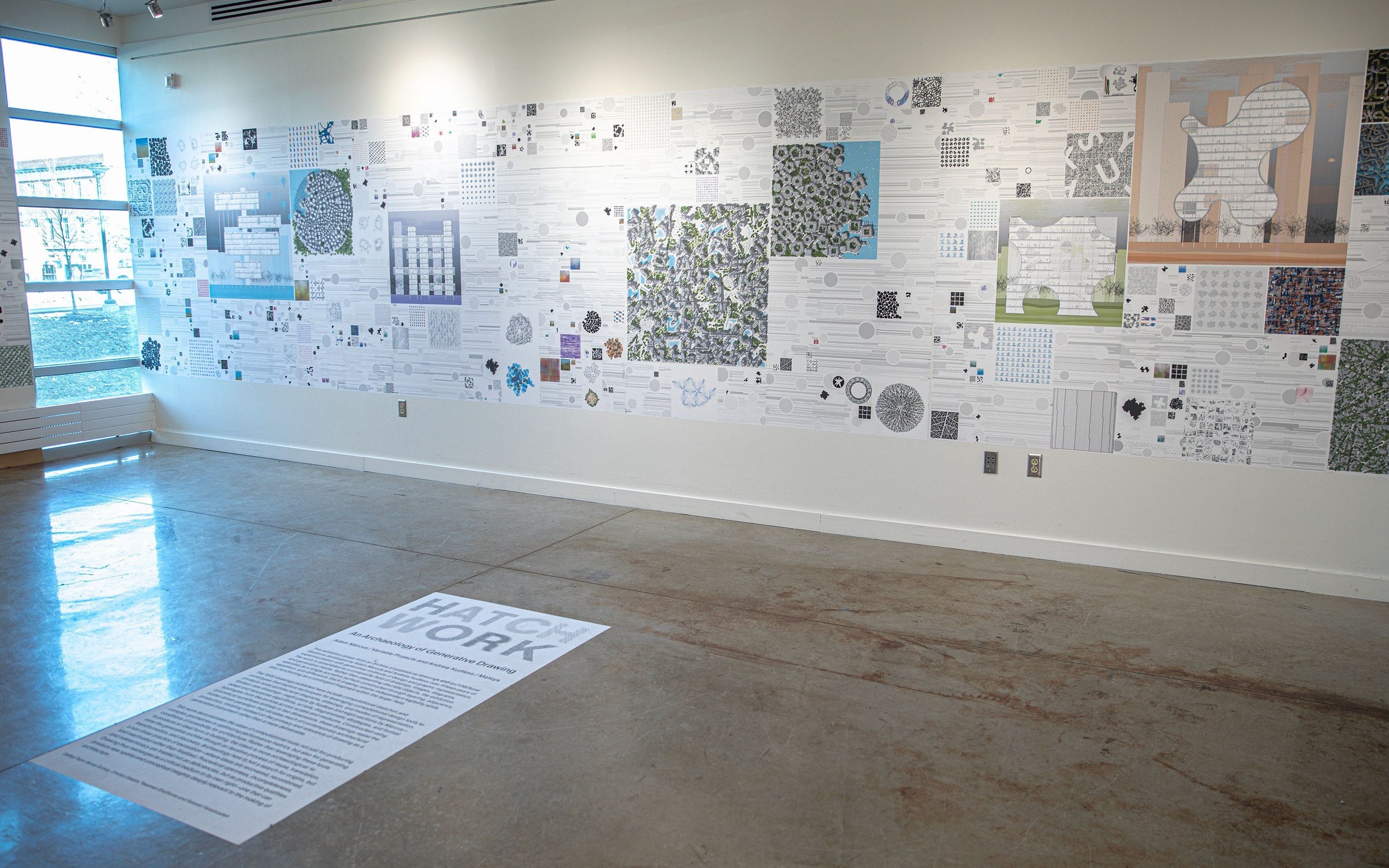
Adding to the exploration done in Drawing Codes, Hatchwork is an exhibition of 1,000 drawings including computational sketches and prototypes that explore techniques for leveraging computer tools to produce novel architectural diagrams, drawings, and modes of representation. At the exhibition's center are 16 new drawings — eight sections by Marcus and eight plans by Kudless — that adapt and repurpose algorithms, scripts, diagrammatic strategies, and formal typologies from the archive across scales and mediums.
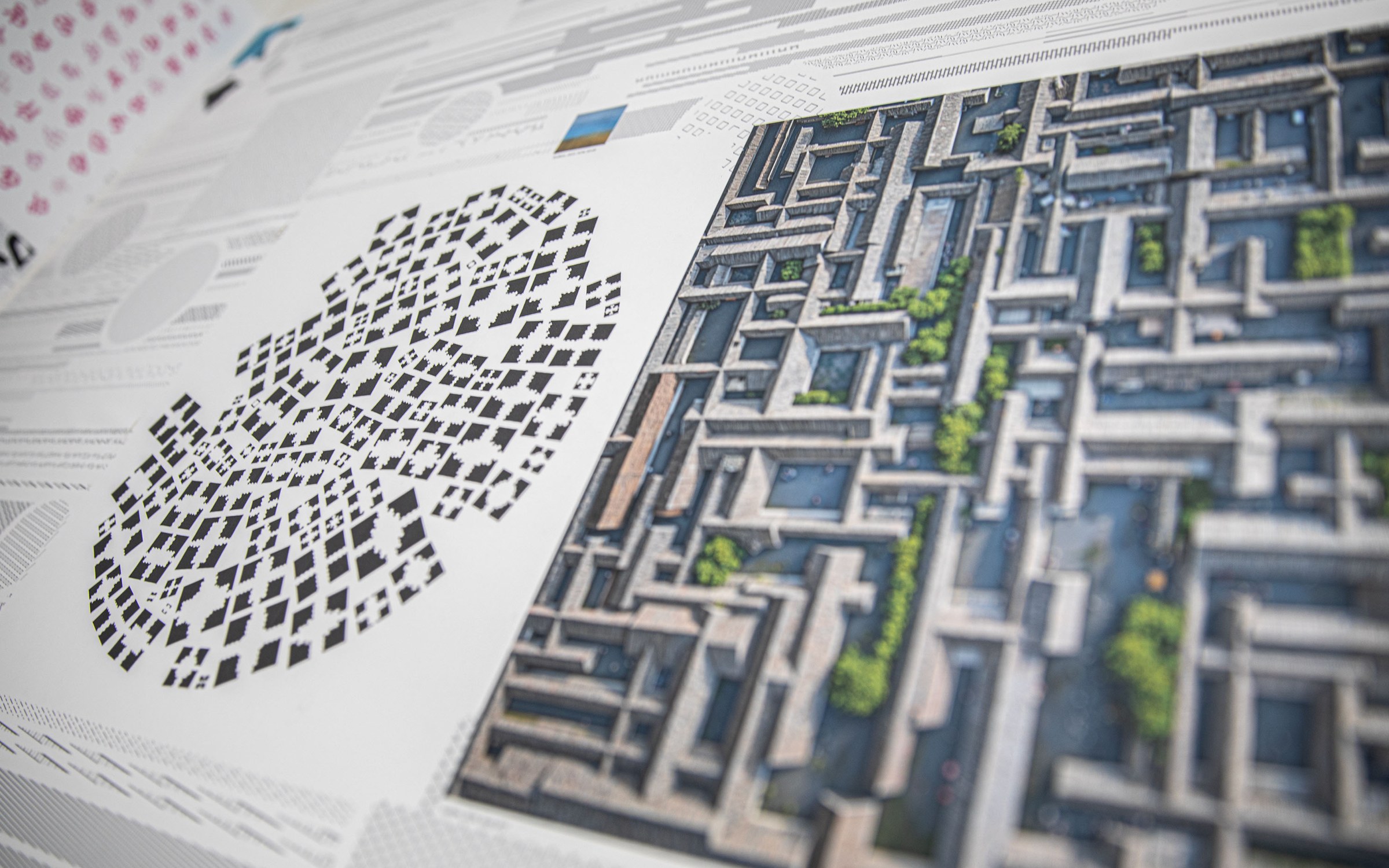
Hatchwork is an "archaeological” exhibit because it exists as an ongoing process of excavation for design — ideas are recovered and recombined, rather than just finished, and incompleteness is a celebrated part of the design process rather than a weakness. While each drawing can stand also independently, they were "exhibited as a single, gradual presentation constructed by layering, repetition, and adjacency."
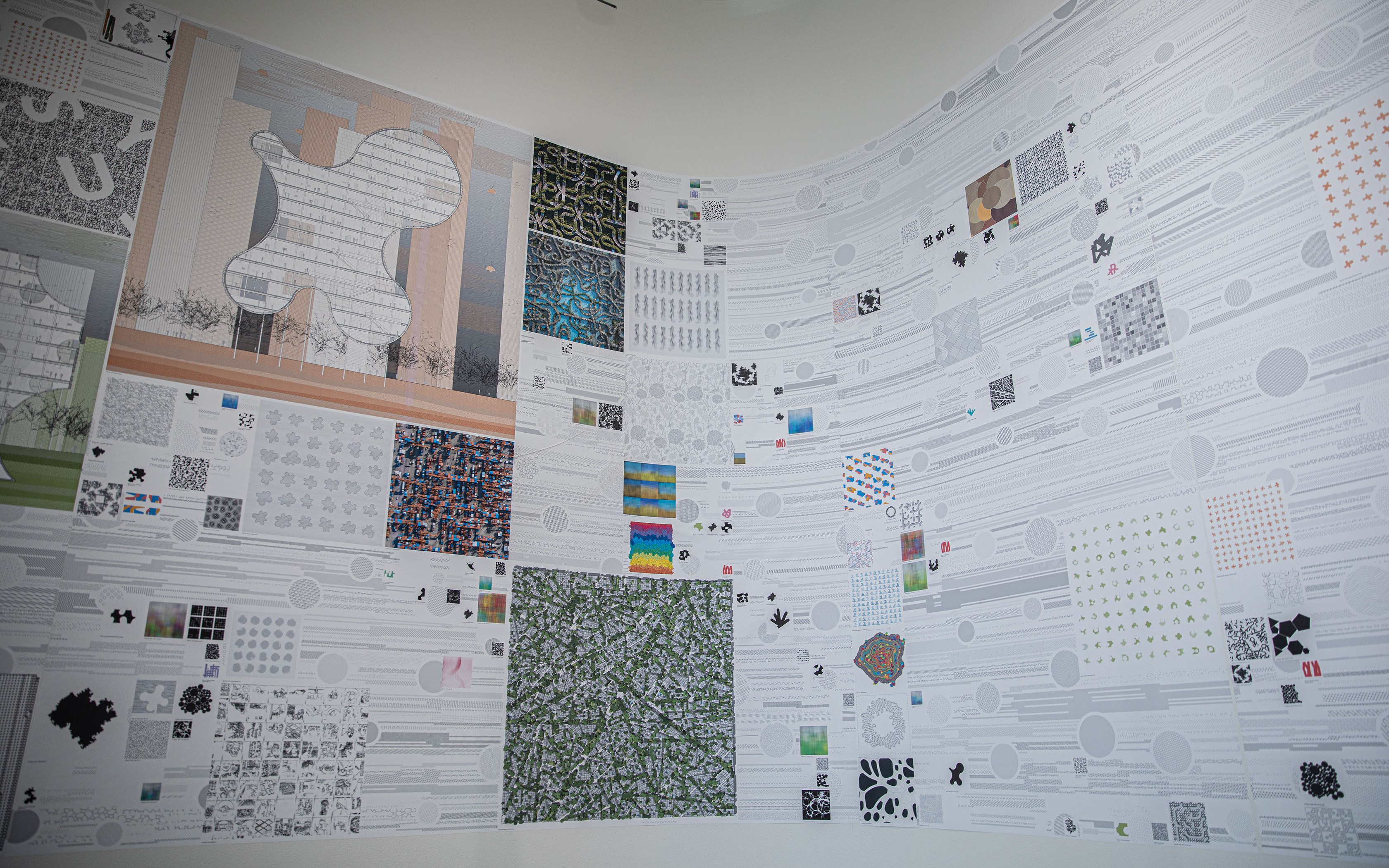
Marcus and Kudless' work reasserts that drawing should remain at the forefront and beginning of inquiry for designing. Through their 15 years of sustained experimentation, the team resists the model-driven paradigm that permeates architectural production today, pushing for the relevance of drawing in an increasingly digital world.
Related
How Tulane’s Adam Marcus Uses Architecture to Support Ecosystems
In collaboration with researchers at California College of the Arts, Adam Marcus designed, built and deployed a manmade island off the San Francisco Coast as a prototype for a new type of resilient coastal infrastructure.
Lecture: "Drawing Codes: Experimental Protocols of Architectural Representation"
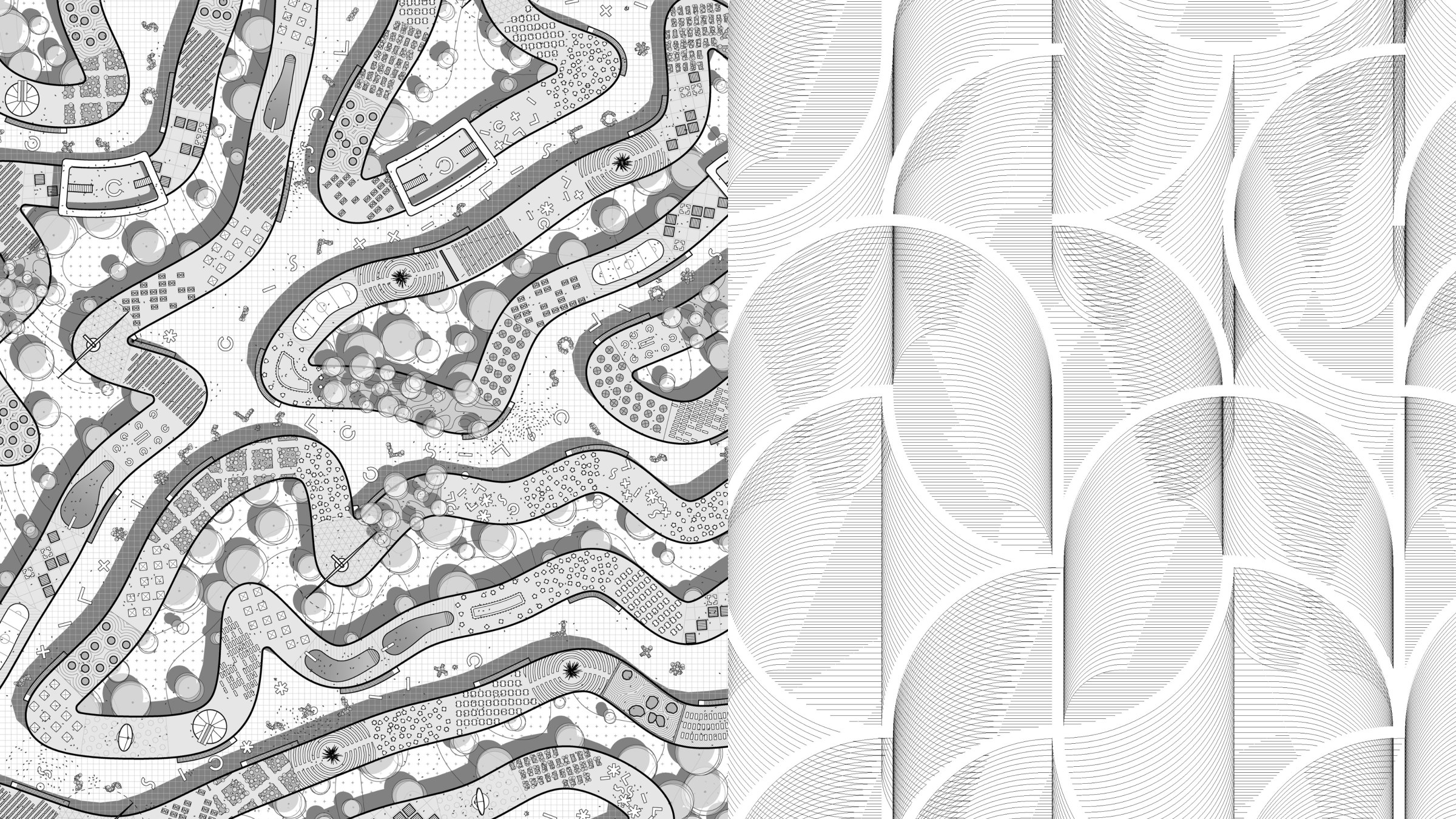
Architectural design has seen a transformation from an analog-drawing paradigm to a computational model-based paradigm. Presented by Adam Marcus and Andrew Kudless (A '98), "Drawing Codes" examines the effects of this transformation and explores how architects have critically integrated procedural thinking into their drawing process.
2025 Architectural Education Awards
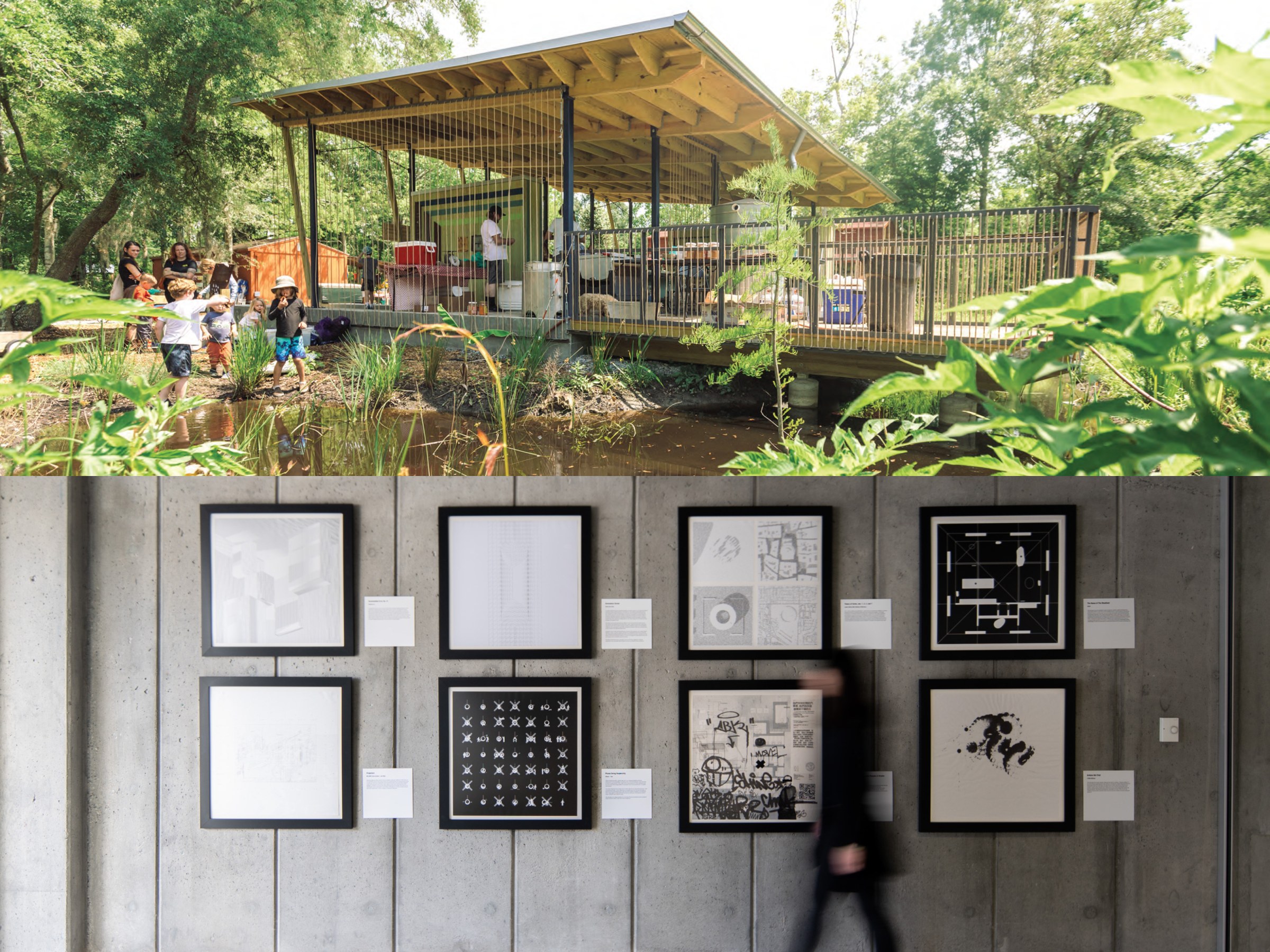
The work of Tulane faculty and students, including that of Adam Marcus and Emilie Taylor Welty, received national recognition from the 2025 Architectural Education Awards, presented by the Association of Collegiate Schools of Architecture (ACSA).