Reimagining Generative Design
Exhibition Opening & Reception
Friday, April 3, 2026
Tulane School of Architecture and Built Environment
Richardson Memorial Hall, Gallery & Favrot Lobby
New Orleans, LA 70118
Symposium
Saturday, April 4, 2026 | 11am - 4:20pm
Tulane School of Architecture and Built Environment
Richardson Memorial Hall, Room 202
New Orleans, LA 70118
Exhibition
Friday, April 3 to Monday, April 20, 2026
Tulane School of Architecture and Built Environment
Richardson Memorial Hall, Gallery
New Orleans, LA 70118
Open to students, faculty, staff, and the public.
Amid ongoing fascination with the novelty and technical capabilities of contemporary artificial intelligence (AI) systems, Reimagining Generative Design challenges the notion that AI constitutes a new beginning in architecture without a past. The project connects recent architectural engagements with AI to the longer intellectual history of architecture and the technical history of the broader field of generative design, foregrounding continuity rather than a point of origin or rupture. Grounded in a review of more than 600 publications and seminal works, part of the project, Situating Machine Learning in Architecture, examines learning-based approaches by investigating their intersections with established architectural design and research lineages, showing how technological research over the past decade revisits and reframes traditions in form and typology studies, urban studies, and language-based building practices. Based on a detailed survey, the other part, A Taxonomy of Generative Design, maps salient technical paradigms and methods from the past eighty years alongside contemporary design works that mobilize them, tracing the development of generative design from knowledge-based and agent-based approaches to current learning-based approaches.
ABOUT THE ORGANIZERS

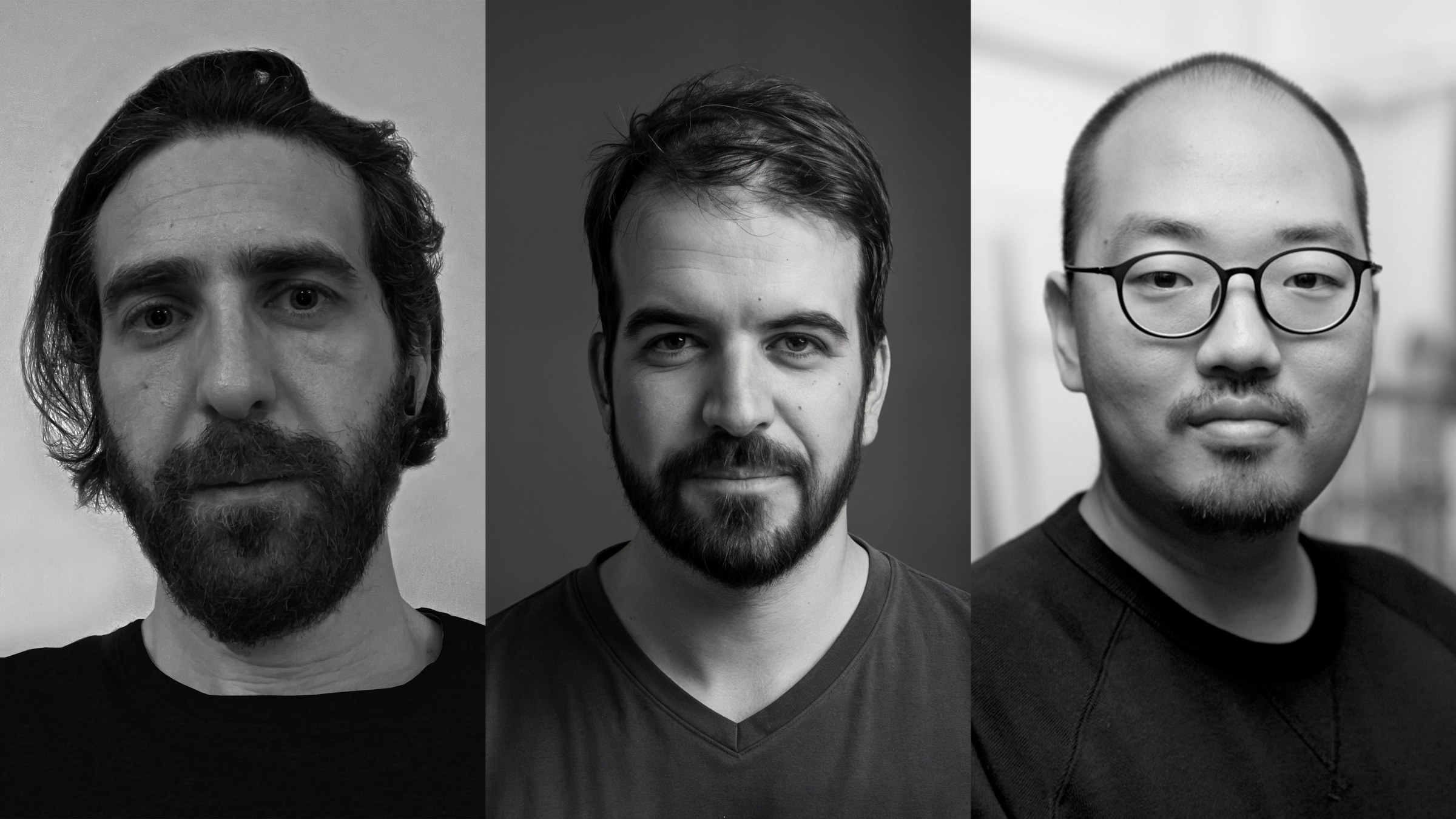
Emek Erdolu, PhD
Tulane School of Architecture and Built Environment
Dr. Emek Erdolu is a Visiting Assistant Professor and Architecture and Computation Fellow at Tulane School of Architecture and Built Environment. Situated across design, theory, and technology, his research is built on two complementary strands: one investigating the sociotechnical changes introduced by computing technologies—particularly data-driven, AI, and robotic systems—in both the history and contemporary practice of architecture; and the other exploring the potentials and limitations of these technologies in design, construction, and education through collaboration, prototyping, and integration studies. Prior to Tulane, he completed his Ph.D. in Computational Design at Carnegie Mellon University, where he also taught in the Master of Architecture and Master of Science in Computational Design programs. He was previously a researcher at the ETH Future Cities Laboratory, and over seven years in the U.S., China, and Southeast Asia, worked on projects with AECOM, HMD, Ecoland, and Nomad Studio. He has lectured and taught studios at the University of Pennsylvania, Singapore University of Technology and Design, National University of Singapore, and Bilkent University.

Pedro Veloso, PhD
Fay Jones School of Architecture, University of Arkansas
Dr. Pedro Veloso is an Assistant Professor at the Fay Jones School of Architecture and Design at the University of Arkansas. He holds a PhD in Computational Design from Carnegie Mellon University, an MSc from the University of São Paulo, and a BArch from the University of Brasília. As an architect and computational designer, he pursues the design and implementation of generative AI systems spanning multiple AI paradigms, from rule-based and evolutionary algorithms to deep reinforcement learning, applied across scales ranging from spatial layout generation and building massing to envelope performance and interactive architectural installations. This work supports designers and non-designers alike, opening new configurations of authorship and creative agency. His research agenda is reflected in his teaching, where computational thinking serves as a mode of reflective inquiry and a foundation for architectural education, and where computational methods and AI tools are paired with traditional design practices to cultivate student agency, critical judgment, and design authorship, and to investigate performance driven approaches to climate responsive and resilient urban futures.
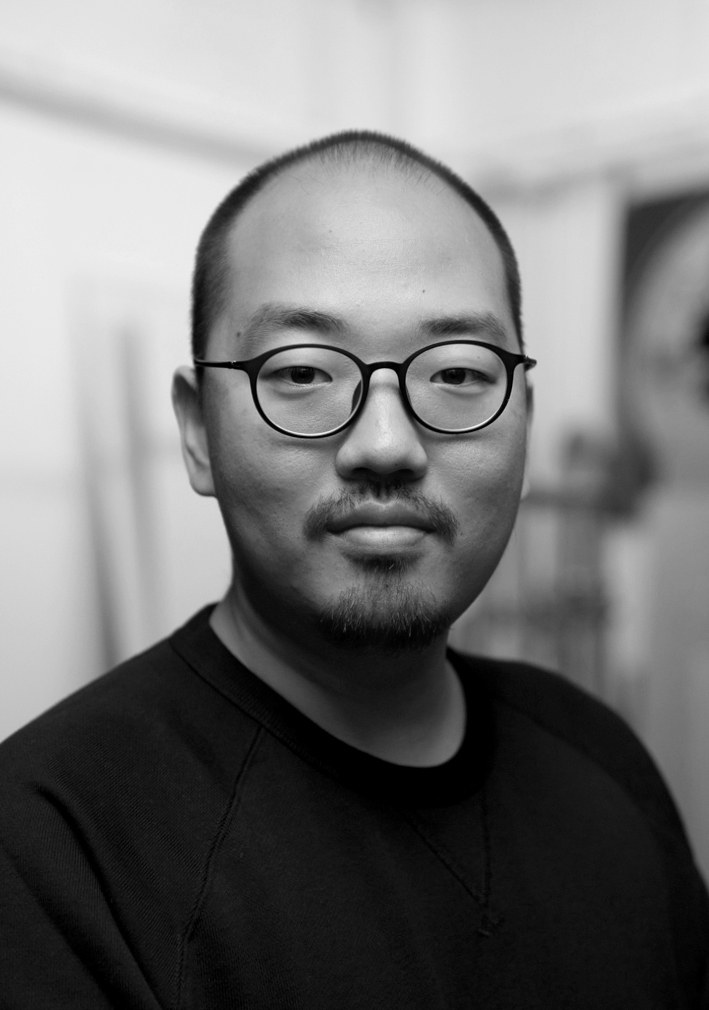
Jinmo Rhee, PhD
School of Architecture Planning & Landscape, University of Calgary
Dr. Jinmo Rhee, an Assistant Professor at the School of Architecture, Planning + Landscape at the University of Calgary, is a computational designer, architect, and design scholar whose research is situated within the emerging domain of Spatial Artificial Intelligence in the Built Environment. His work investigates how artificial intelligence and data-driven methods can transform the analysis, generation, and interpretation of architectural and urban spaces. Dr. Rhee holds a Master of Science in Computational Design and a Ph.D. from Carnegie Mellon University, where his research advanced computational design methodologies through the integration of AI and machine learning. His scholarship proposes new lenses for reading urban and architectural form, develops computational solutions to complex spatial challenges, and explores novel modes of design creativity enabled by intelligent systems. More recently, he has been developing data-scientific frameworks to reinterpret spatial and geometric information, uncovering new design knowledge and generative processes within the built environment.
Questions? Contact Emek Erdolu at eerdolu@tulane.edu.
Tulane University is committed to providing universal access to all our events. Please contact the event organizer listed above for accessibility accommodations. Please note that advance notice is necessary to arrange some accessibility needs.
Tulane is an equal opportunity educator and employer. Legally protected demographic classifications such as race, national origin, sex, age, disability, veteran status, etc. are not relied upon as an eligibility or participation criteria for employment or educational programs or activities.